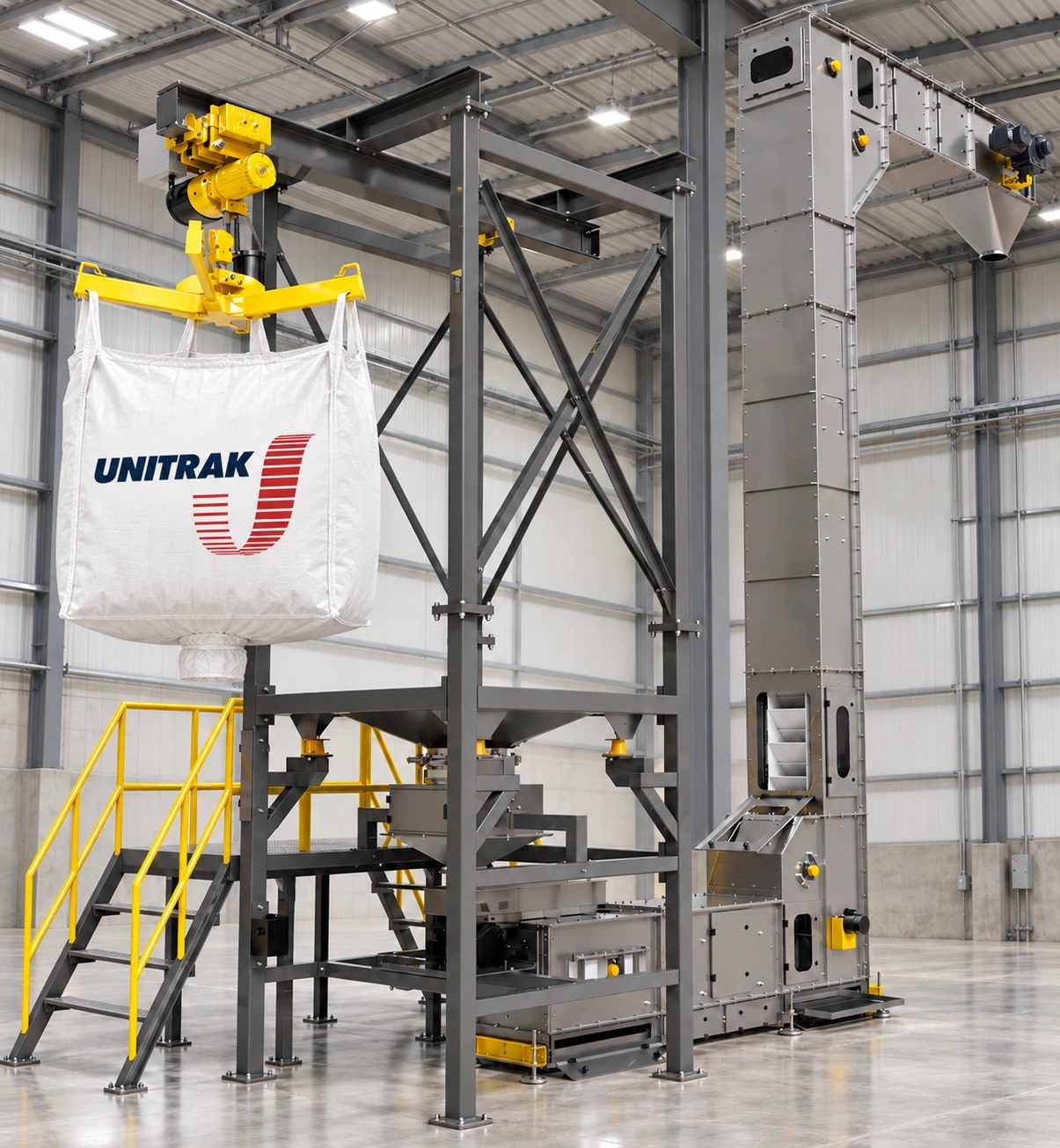
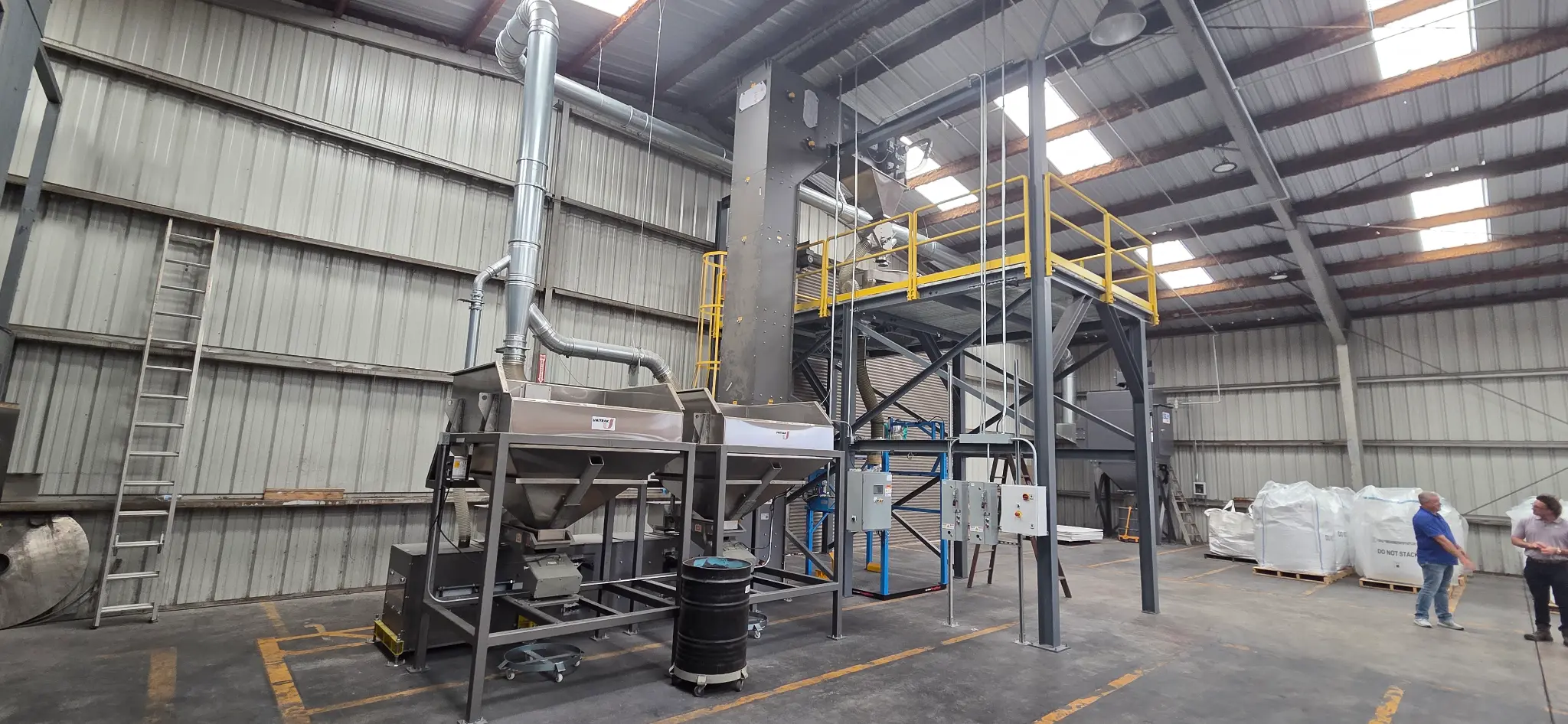
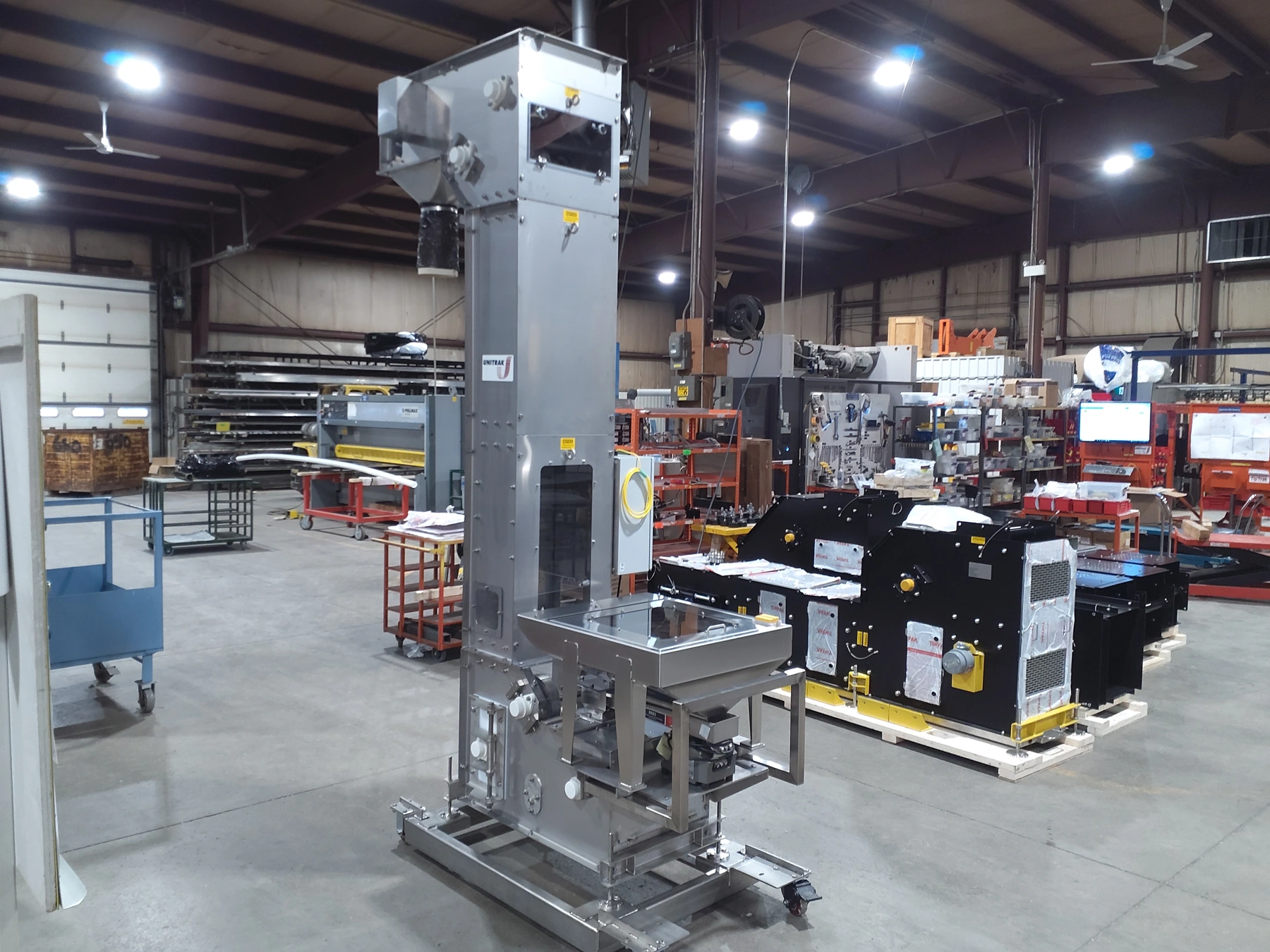
Bring receiving, feeding, conveying and discharge together in a coordinated material-handling system. UniTrak combines its conveying and bulk bag equipment with selected ancillary components to protect your product, manage material flow and connect the process around your throughput, layout and operating requirements.
Feeders are selected according to the material, conveyor and process. TipTrak and KleanTrak require controlled feeding. UniFlex and Powderflight can be hopper-charged or flood fed; separate metering equipment may still be appropriate for batching or process control.
Vibratory and screw feeders
Valves and gates
Flow-assistance devices
Metering equipment, where appropriate
CONVEYING & ELEVATING
Select a conveying principle around the material and route.
Selected screeners or sifters can connect with upstream and downstream material-handling equipment.
Vibratory screeners
Sifters
Screening infeed hoppers
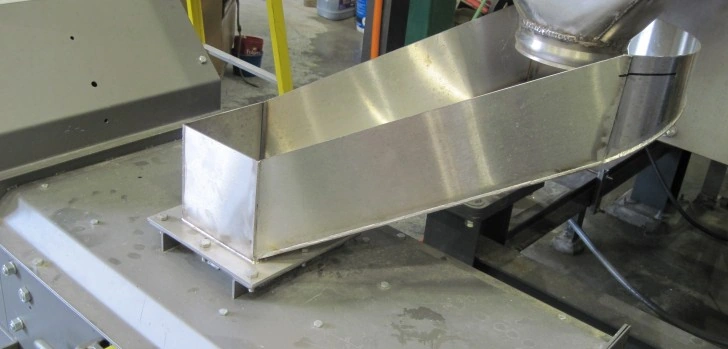
Discharge transitions
WEIGHING & BATCHING
Measure and control material transfer where required.
Load cells, discharge equipment and controls can be integrated into selected material-handling arrangements for weighing and batching.
Load cells and weighing instrumentation
Weighing frames and platform scales
Batching controllers
Controlled discharge and metering equipment
SYSTEM CONNECTIONS & CONTROLS
Connect equipment within the agreed project scope.
Inlet and discharge connections, supports, interlocks and local controls are selected to coordinate the material-handling equipment and specified interfaces.
Inlet and discharge transitions
Hoppers, bins and supports
Local control panels and drives
Equipment interlocks and instrumentation
Have an application that requires several of these functions?
Tell us where the material starts, what needs to happen to it and where it needs to go. We will help determine the right combination of equipment.
Each system is engineered around the material, transfer route and agreed equipment scope.
Material & Throughput
Material characteristics and required transfer rate guide equipment selection.
Transfer Route
Receiving method, conveying distance, elevation changes and discharge destinations define the arrangement.
Construction
Product-contact materials, cleaning access and containment provisions are selected around the application.
Equipment & Interfaces
Conveyors, bulk bag handling equipment and ancillary components connect with the specified upstream and downstream equipment.
Controls
Local controls, interlocks, operating sequences and interfaces with plant controls are established within the project scope.
WHY AN INTEGRATED UNITRAK SYSTEM?
Better connections. Better material handling.
ONE COORDINATED SOLUTION
Equipment selected to work together.
Purchasing individual pieces of equipment from different suppliers can leave the customer responsible for resolving mechanical interfaces, material-flow problems and operating requirements.
An integrated UniTrak system brings the core conveying equipment and selected ancillary components together into a coordinated package.
The result is a material-handling arrangement designed around the complete transfer requirement rather than individual machines operating in isolation.
Reliable conveying depends on consistent feeding and discharge.
Poorly designed transitions, uncontrolled feeding and material buildup can reduce throughput or create operating problems.
By considering feeders, hoppers, valves and conveying equipment together, UniTrak can develop arrangements that help regulate material flow throughout the system.
Helps address: Inconsistent Feeding • Material Buildup • Conveyor Overloading • Product Spillage • Process Interruptions
ENGINEERED AROUND YOUR MATERIAL
The material determines the equipment.
Powders, granules, pellets and fragile products behave differently when handled.
Some materials flow freely, while others bridge, cake, compact, generate dust or break during transfer.
UniTrak considers these characteristics when selecting conveying equipment and designing the associated feeding, discharge and transfer components.
Where appropriate, material testing can help establish how a product behaves before equipment is selected.
Helps address: Difficult Material Flow • Product Degradation • Dust • Abrasion • Material Retention • Equipment Suitability
SIMPLER PROJECT EXECUTION
Reduce the work involved in bringing equipment together.
Even relatively small material-handling systems can require considerable coordination when several pieces of equipment must operate together.
UniTrak can take responsibility for the equipment and interfaces within its agreed material-handling scope, helping customers reduce the engineering and coordination required to assemble the system.
We can work directly with manufacturers or alongside their engineering teams and system integrators.
Integrated solutions for challenging bulk materials.
Different industries have different material-handling requirements, but the underlying challenge is often the same: moving materials reliably between production stages.
UniTrak develops integrated material-handling arrangements around the characteristics of the material, required throughput, plant layout and operating conditions.
From ingredient receiving to controlled transfer into production.
Food manufacturers frequently need to receive, weigh, screen, convey and elevate dry ingredients before they enter mixers, blenders or packaging equipment.
These operations may involve several pieces of equipment that must work together while limiting dust, product loss and contamination risks.
UniTrak can combine bulk bag handling, feeding, screening and conveying equipment into a coordinated material-transfer system.
Typical materials:
Flour
Sugar
Starch
Rice
Grains
Seasonings
Spices
Dry ingredient blends
Protein powders
Granular food ingredients
Potential system arrangements:
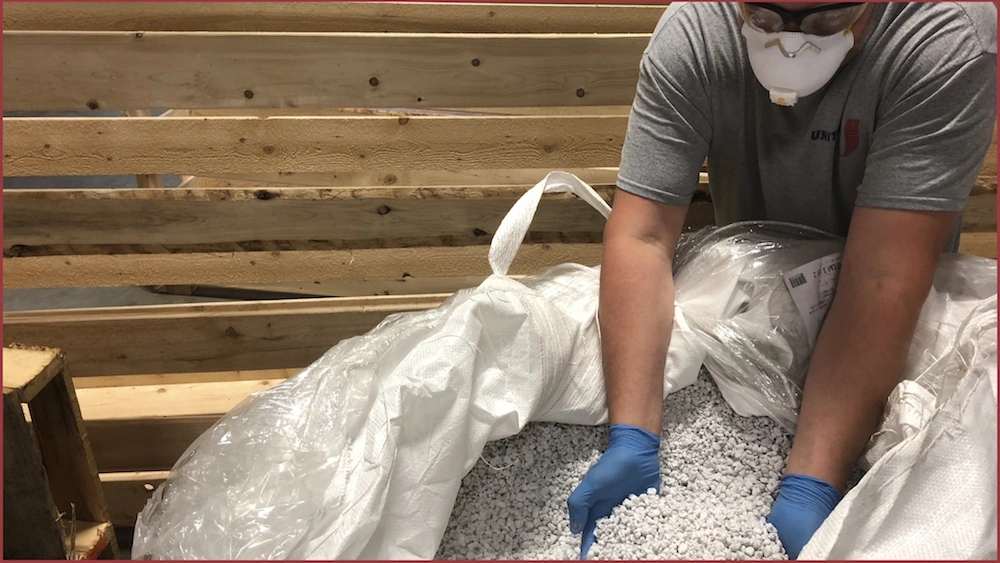
Bulk bag unloading into a controlled feeder
Ingredient screening before conveying
Weighed ingredient discharge into a conveyor
Gentle elevation of fragile food products
Transfer between receiving and processing equipment
Common process concerns:
Dust • Ingredient Loss • Material Flow • Product Integrity • Cleaning • Cross-Contamination • Batching • Process Integration
Coordinate material transfer where cleaning and containment matter.
Pharmaceutical and nutraceutical applications may require controlled movement of powders and dry ingredients between receiving, weighing, screening and processing stages.
These applications can involve specific requirements for cleaning, product-contact materials, contamination prevention and containment.
UniTrak can evaluate integrated conveying and ancillary equipment arrangements for suitable applications.
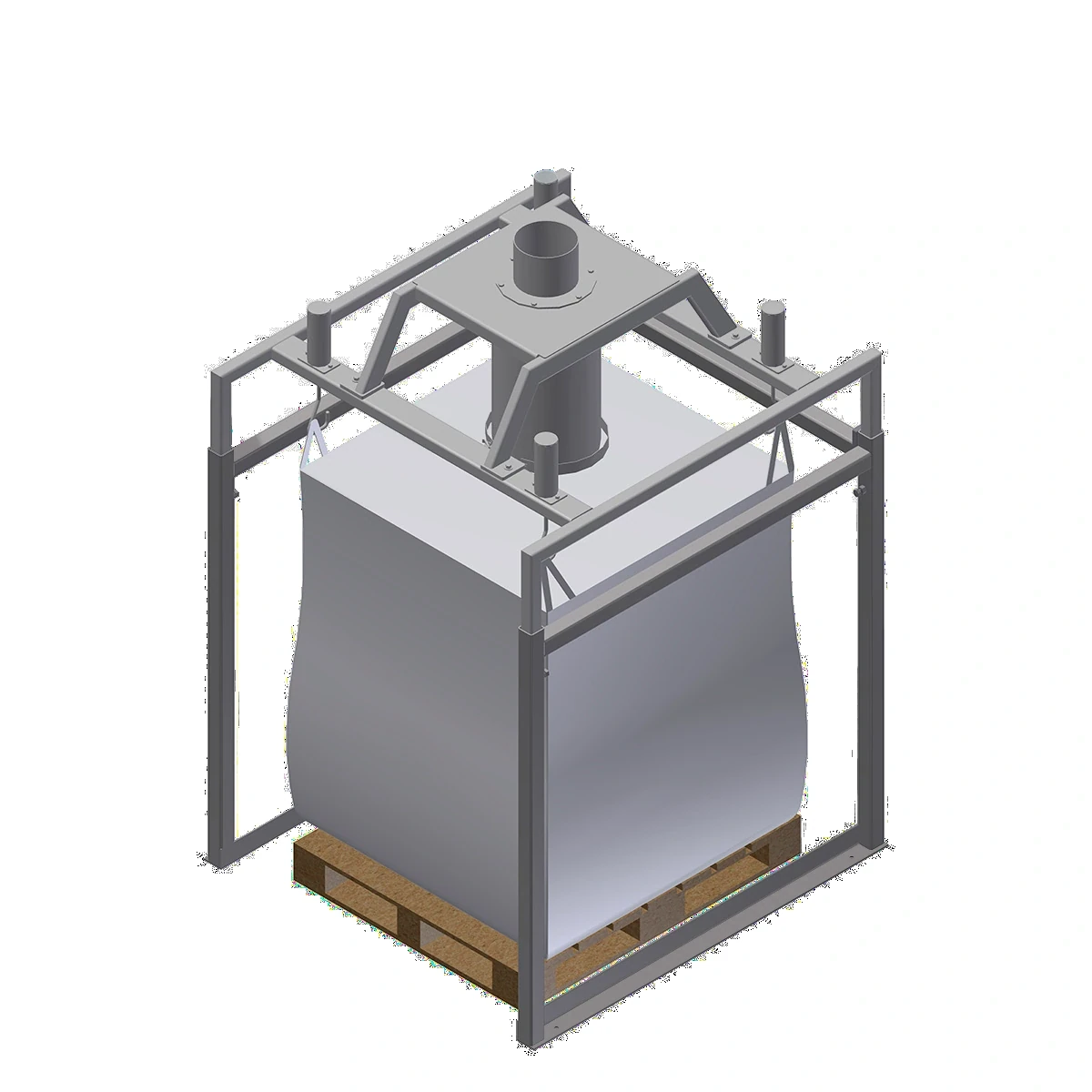
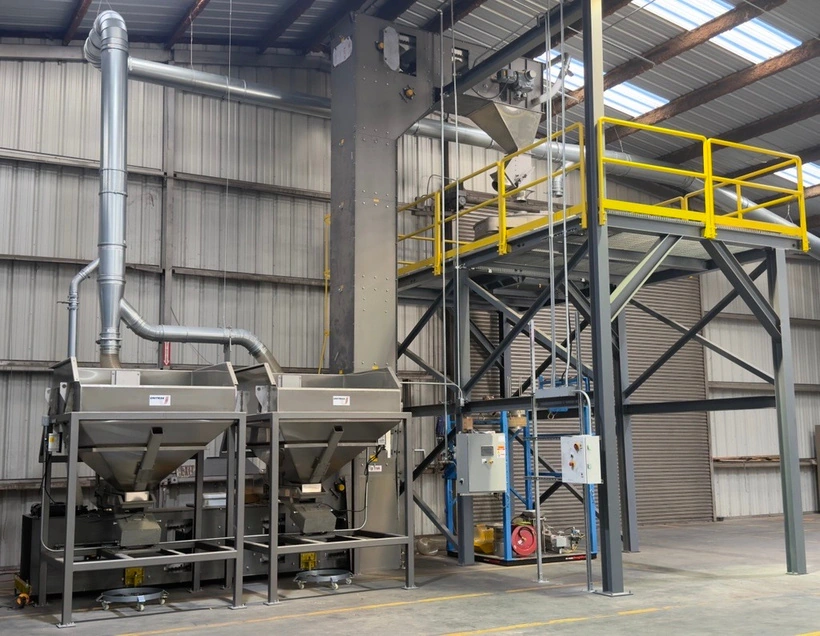
A Bagstander and receiving arrangement supply a Powderflight aeromechanical conveyor for enclosed transfer of suitable material. The conveyor can be hopper-charged or flood fed; a feeder or valve is selected where the application requires flow control.
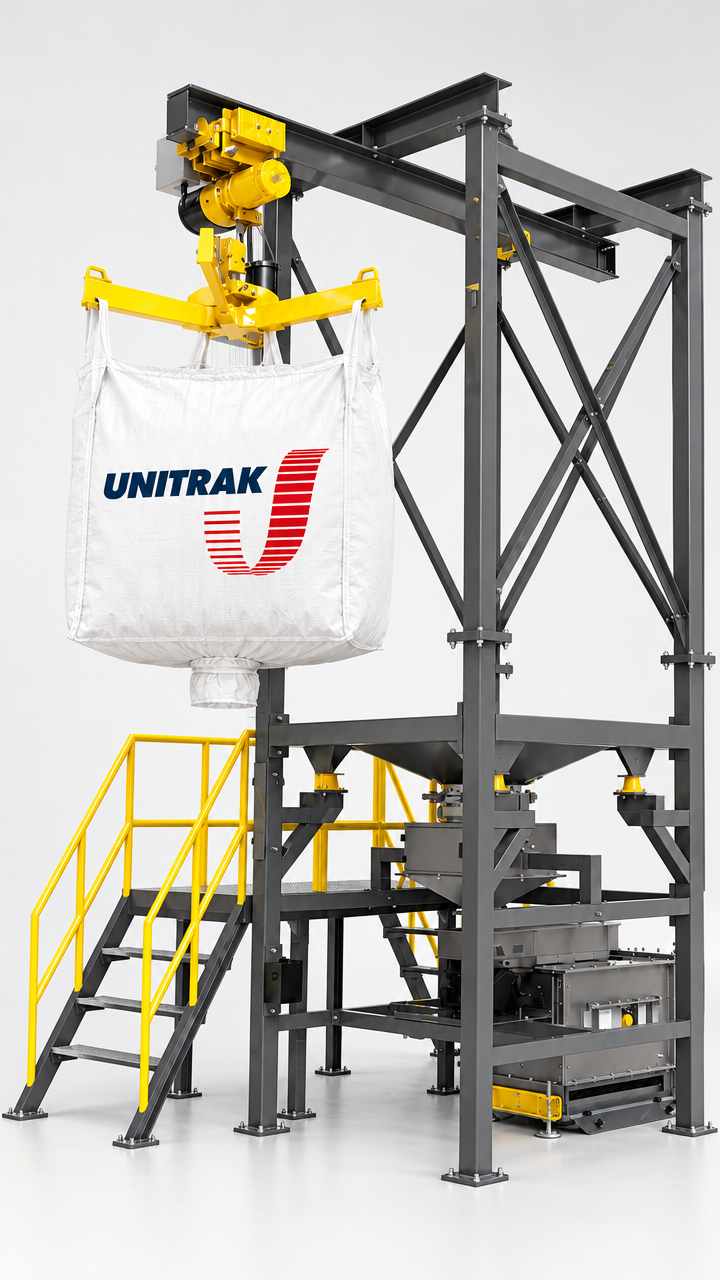
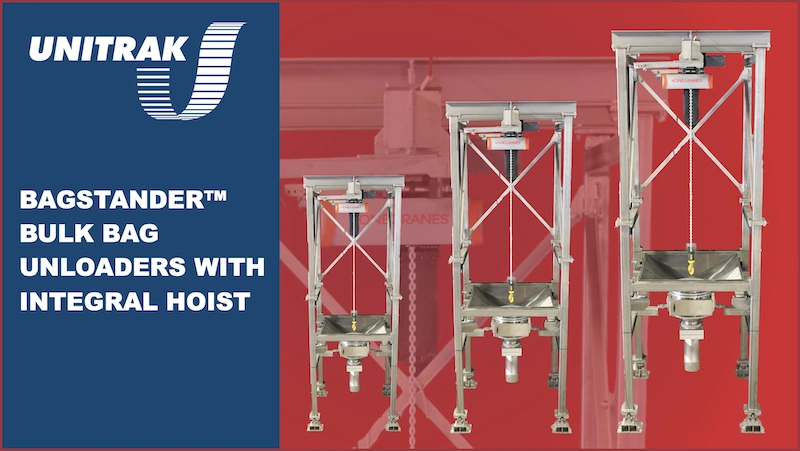
A Bagstander can be configured with load cells, controlled discharge and, where appropriate, metering equipment to support a weighed batch into downstream conveying equipment.
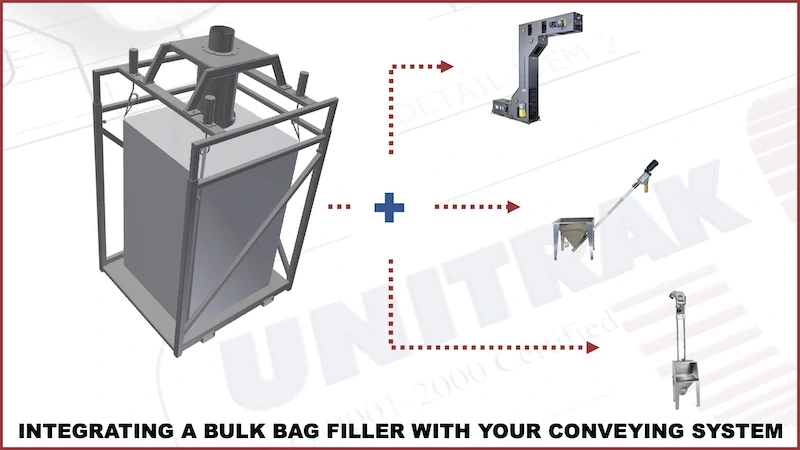
A UniFlex flexible screw conveyor transfers compatible material from a receiving hopper to a customer or OEM process inlet or, where included in the project scope, an optional downstream bulk bag filler.
Where the transfer route requires more than one stage, selected conveyors, transition chutes and controls can be coordinated around the material and plant layout.
An integrated material handling system combines multiple pieces of equipment to move bulk materials between different points in a production process.
Rather than treating each machine independently, the system is designed so that receiving, feeding, conveying, weighing, screening and discharge equipment work together.
UniTrak specializes in systems built around its conveying and bulk bag handling equipment.
Yes. UniTrak can supply integrated material-handling equipment packages combining its core equipment with selected ancillary components.
These systems may include conveyors, bulk bag handling equipment, feeders, hoppers, valves, screeners, weighing equipment and associated controls.
The scope is focused on material handling rather than supplying an entire production plant.
Depending on the application, an integrated UniTrak system may include:
Equipment selection depends on the material and project requirements.
Yes. Selected ancillary equipment may be sourced from specialist manufacturers and incorporated into the material-handling system.
UniTrak can also design its equipment to connect with existing customer or OEM processing equipment.
The extent of integration is determined by the agreed project scope.
Yes. Bagstander can be configured with load cells and suitable discharge-control equipment to support batching applications.
The system can measure material discharged from a bulk bag and regulate its transfer into downstream equipment.
Batching performance depends on the material characteristics, feeding equipment, weighing arrangement and control system.
Yes. Screeners and sifters can be incorporated into suitable material-handling systems.
These components may be used to remove oversized particles, separate agglomerates or achieve a required particle-size range before material enters downstream equipment.
The screening technology must be selected around the material and process requirements.
Yes. Some applications require more than one conveyor to accommodate the material-transfer route.
UniTrak can evaluate combinations of its conveying equipment, along with the necessary transitions, feeders and controls.
The arrangement depends on the material, required capacity and plant layout.
UniTrak can provide controls associated with the material-handling equipment, including local control panels, variable-speed drives, equipment interlocks and application-specific controls.
The required control functionality and interfaces with the customer's wider process-control system are established during project review.
Yes. Portable arrangements can be considered where the equipment geometry, size and operating requirements permit.
UniTrak has supplied portable conveying systems incorporating feeding equipment and integrated controls.
Yes. UniTrak works directly with manufacturers and alongside engineering firms, OEMs and system integrators.
We can provide the material-handling equipment and associated integration engineering within the agreed scope.
These are not part of UniTrak's core equipment offering.
Our focus is on the material-handling equipment needed to receive, feed, convey, elevate, screen, weigh and discharge materials.
We can design connections to the customer's existing or separately supplied processing equipment.
Yes. UniTrak operates a material-testing facility where suitable materials can be evaluated under controlled conditions.
Testing can help establish conveying behavior and identify material-handling challenges before equipment selection.
Testing suitability and scope are determined through an application and safety review.
The best starting point is to provide information about the material, required throughput, starting location, destination and surrounding process equipment.
A basic plant layout or process-flow diagram is particularly helpful.
UniTrak can then review the application and discuss potential equipment arrangements.
INTEGRATED SYSTEMS RESOURCES
Explore material-handling integration, application engineering and real equipment installations.
BULK MATERIAL HANDLING EQUIPMENT AND SYSTEMS FOR SMEs
Learn how manufacturers can combine conveyors, bulk bag handling equipment and ancillary components into coordinated material-handling systems.
Understand why conveyor infeed design, controlled feeding, discharge arrangements and equipment synchronization are important to successful material-handling integration.
Show us where your material starts, where it needs to go, and what happens in between.
Whether you need to unload bulk bags, regulate material flow, screen ingredients, weigh batches or transfer material between different process elevations, UniTrak can help determine the right equipment arrangement.
Our team can review your material characteristics, production requirements, plant layout and existing equipment to develop a coordinated material-handling solution.
You don't need to have the system fully designed before contacting us.
A material description, approximate throughput and basic process layout are often enough to begin the discussion.