Case Study
Catalyst Trading Company
Handling friable materials requires more than standard conveying equipment. In this application, a TipTrak® bucket elevator was used to deliver controlled, low-impact material handling, helping preserve product integrity from infeed to discharge. Download the full case study to see how the system works.
In this case study
The Challenge
Conveying Catalyst Without Degradation
Catalyst is a highly friable material that can degrade under excessive agitation or impact.
Many conventional systems — including screw or auger-based equipment — can introduce unnecessary stress during conveying, leading to:
- Product degradation
- Material loss
- Reduced product value
- Inconsistent downstream performance
This application required a bucket elevator solution capable of elevating material while minimizing disturbance throughout the process.
material while minimizing disturbance from infeed through to discharge.
The Solution and Results
A TipTrak® Bucket Elevator System Designed for Gentle Handling
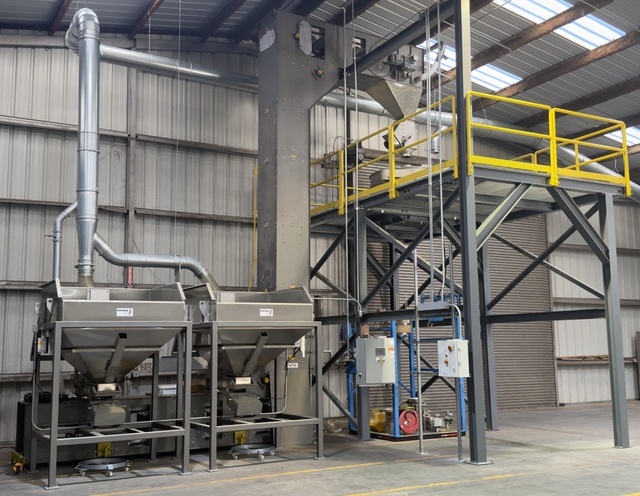
To meet these requirements, UniTrak supplied a complete bucket elevator conveyor system tailored to the application.
System Features
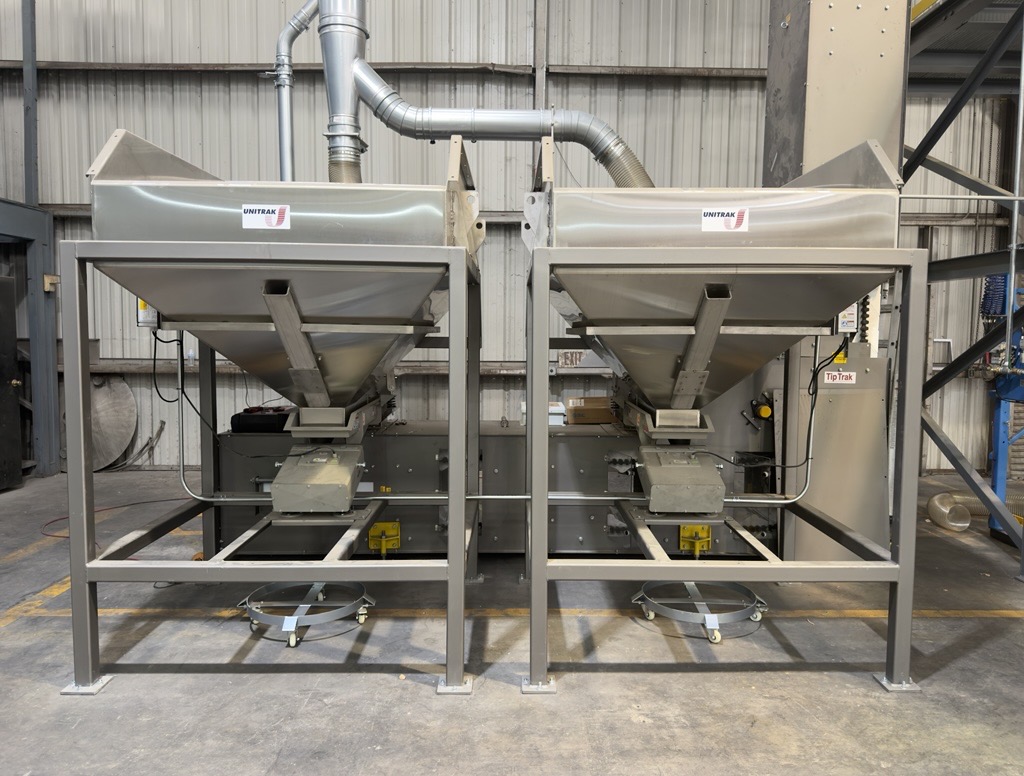
- 60" square infeed hoppers
- Vibratory feeders
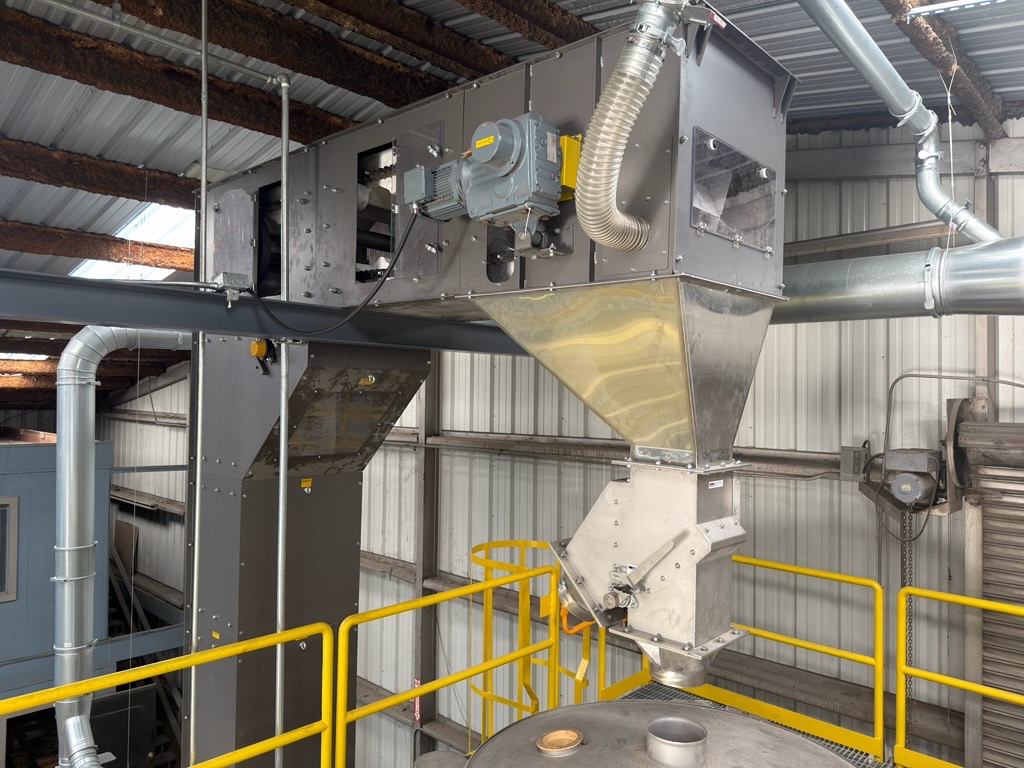
- Diverter valve
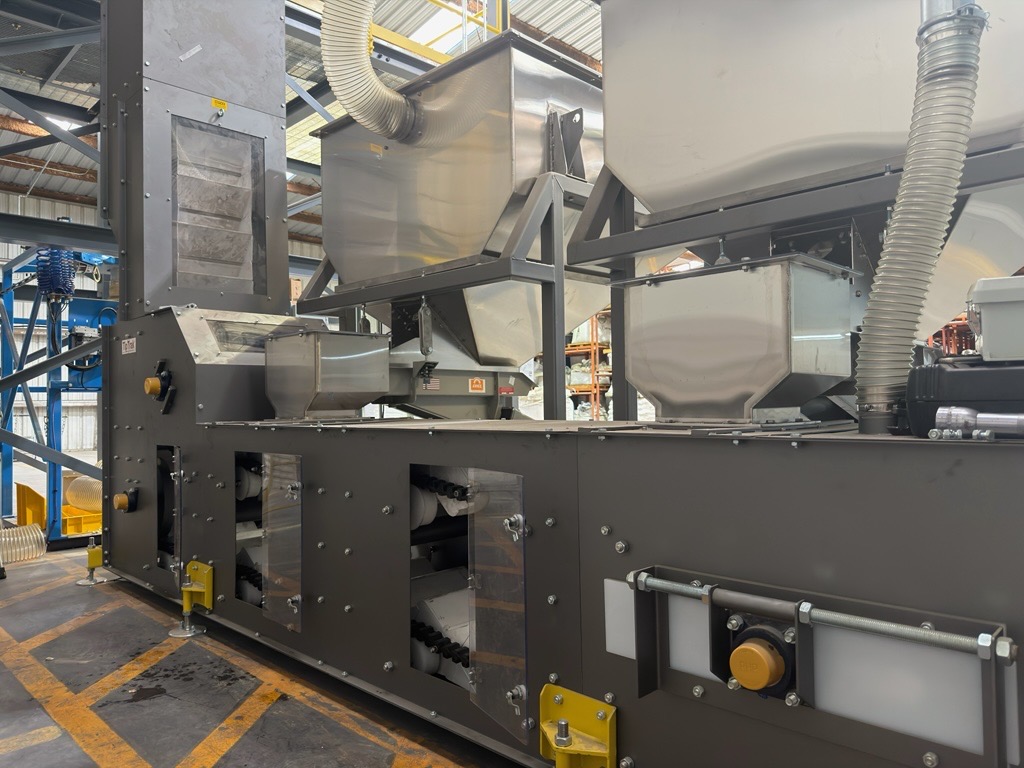
- TipTrak® bucket elevator conveyor
- Dust collection ports for improved dust control
- Bucket knocker to assist with material discharge
- Local control panel for operator operation
This integrated material handling system ensures controlled feeding, smooth conveying, and consistent discharge.
The Why
A Different Approach to Bucket Elevation
The TipTrak® system uses deep buckets, which allows for a lower-speed, controlled bucket conveyor design that reduces material agitation during conveying.
Compared to higher-impact conveying methods, this approach supports:
- Gentle handling of fragile materials
- Reduced particle breakdown
- Improved product consistency
- Reliable vertical conveying
For applications involving delicate or high-value materials, selecting the right bucket elevator conveyor is critical.