Conveying Equipment for Industrial & Specialty Materials
Difficult Materials. Proven Solutions.
Fragile components, sticky products, fine powders and unusual blends need handling that reflects how they behave. UniTrak combines conveying equipment, application engineering and material testing to protect product quality, reduce material loss and connect difficult transfers with the rest of your manufacturing process.
Fine industrial powders can become airborne during receiving, conveying and discharge.
Escaping material contributes to product loss, housekeeping requirements and contamination of the surrounding area.
Enclosed conveying can help limit material exposure, while transfer points and equipment connections should be considered as part of the complete material-handling arrangement.
Any material-specific dust hazards should be reviewed during equipment selection.
Some powders flow freely while others bridge, compact or resist movement from storage and receiving hoppers.
The conveyor cannot be considered independently from the way material reaches its inlet.
Hopper geometry, flow assistance and the material-introduction requirements of the selected conveyor should therefore be considered as part of the complete application.
ONE INDUSTRY CATEGORY CAN'T DESCRIBE EVERY MATERIAL
Evaluate specialty applications according to how the product actually behaves.
Transfer powders with unusual handling characteristics.
Specialty manufacturing processes can involve powders that are extremely fine, dense, lightweight, cohesive, abrasive or otherwise difficult to handle.
The product name alone may provide limited information about how the material will behave inside conveying equipment.
Actual particle characteristics, bulk density and flow behavior should be considered during equipment selection.
Materials for evaluation include:
Specialty industrial powders
Powdered process ingredients
Engineered powders
Fine dry ingredients
Dense powders
Cohesive powders
Other compatible dry bulk solids
Common concerns: Dust • Flow • Buildup • Bulk Density • Abrasion • Material Retention
Move processed products while protecting their physical form.
Granulated and pelletized products may require controlled handling after upstream processing.
Some are durable, while others can fracture or generate fines during unnecessary impact.
The appropriate conveyor depends on particle strength, bulk density, required throughput and the conveying path.
Materials for evaluation include:
Industrial granules
Pellets
Agglomerated powders
Processed particles
Specialty beads
Suitable dry formed products
Common concerns: Breakage • Fines • Spillage • Product Integrity • Abrasion • Controlled Transfer
Protect sensitive materials during elevation and transfer.
Crystalline and friable products can be particularly sensitive to repeated impact.
Breakage may create fines or alter the particle characteristics required by the downstream process or customer.
Gentle conveying should be considered where maintaining the physical form of the product is important.
Materials for evaluation include:
Industrial crystals
Specialty salts
Friable granules
Crystalline process materials
Fragile dry products
Suitable formed particles
Common concerns: Breakage • Fines • Product Integrity • Spillage • Segregation • Transfer Points
Handle materials that don't behave like conventional powders.
Flakes and irregular particles can create unique conveying challenges because of their shape, size and bulk behavior.
Some products may interlock, resist consistent flow or have very low bulk density.
Suitability depends heavily on the specific material and should be evaluated before selecting equipment.
Materials for evaluation include:
Dry flakes
Irregular granules
Lightweight particles
Processed chips
Specialty formed materials
Other compatible irregular dry solids
Common concerns: Flow • Bridging • Low Bulk Density • Particle Damage • Feeding • Material Variability
Maintain mixture consistency during transfer.
Industrial blends may combine particles with significantly different sizes, shapes and densities.
Conveying can influence how those components remain distributed throughout the mixture.
Where segregation could affect downstream processing or product quality, the complete material-handling path should be evaluated.
Materials for evaluation include:
Dry premixes
Multi-component blends
Powder and granule mixtures
Specialty formulations
Dry compounded ingredients
Compatible blended products
Common concerns: Segregation • Product Integrity • Dust • Material Flow • Retention • Transfer Points
Evaluate the material rather than assuming it will convey normally.
Some nominally dry materials contain enough moisture, oil or other components to create difficult handling characteristics.
Products may adhere to surfaces, smear, compact or accumulate inside equipment.
These applications should be reviewed carefully and may benefit significantly from testing with the actual material.
Materials for evaluation include:
Cohesive powders
Oily dry products
Moisture-sensitive materials
Caking products
Difficult-flowing granules
Other challenging dry bulk solids
Common concerns: Buildup • Smearing • Caking • Bridging • Cleanout • Material Flow
Connect material handling with the surrounding manufacturing process.
Some applications involve finished or intermediate products that simply do not fit a standard material category.
What matters is whether the product can be handled effectively by the selected conveying technology.
The application should be evaluated around the material's physical characteristics, required transfer path and the equipment immediately upstream and downstream.
Start with the handling problem: breakage, sticking, dust, poor flow or segregation. Select the conveying method and receiving arrangement around the actual product.
TIPTRAK® BUCKET ELEVATOR
Protect fragile products through the complete transfer.
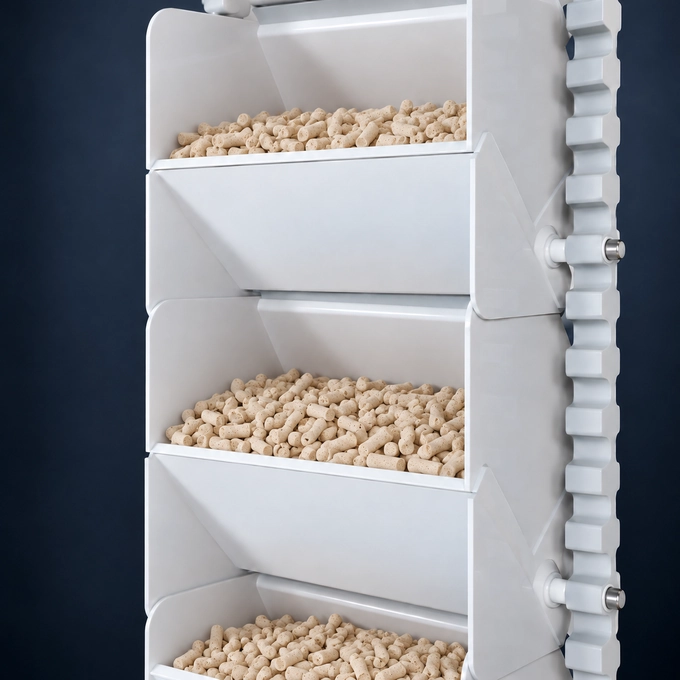
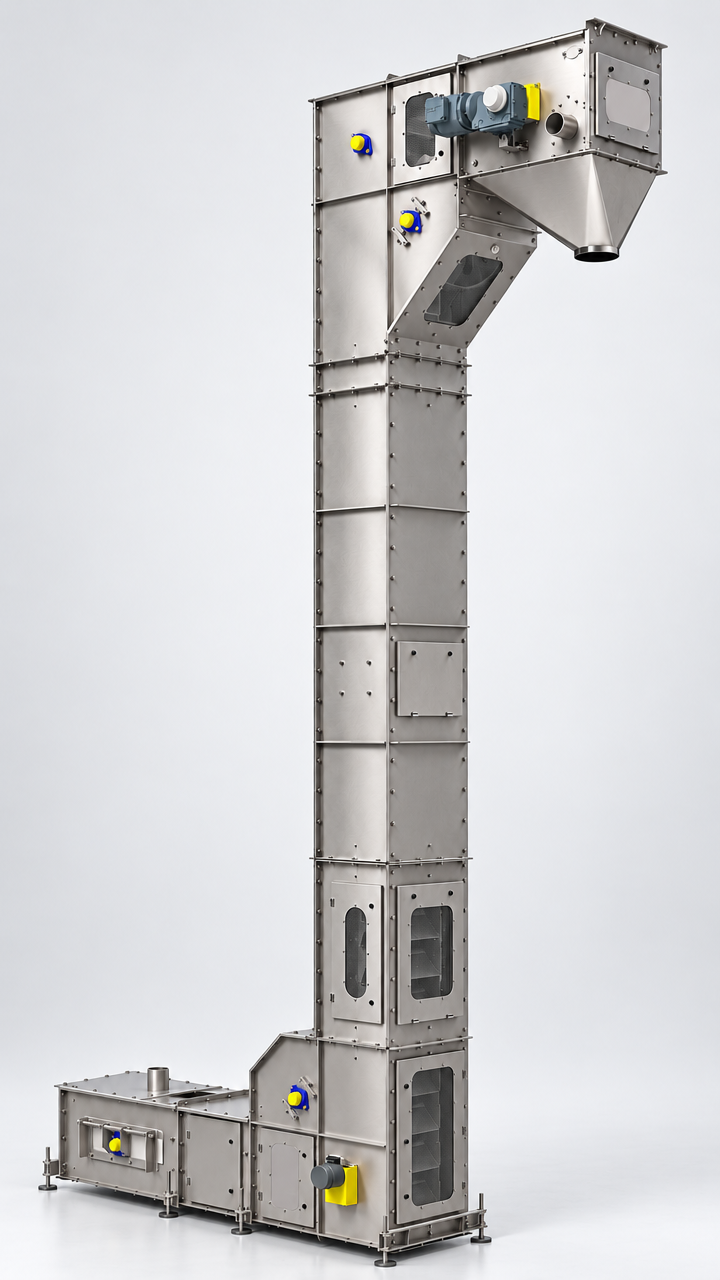
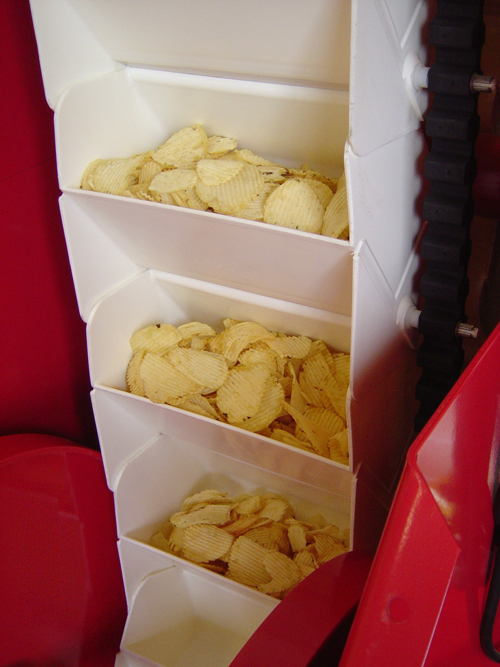
TipTrak’s low-speed, interlocking buckets move fragile products through horizontal and vertical sections while preventing spillage along the conveying path. Application-specific feeding, bucket materials and discharge arrangements address the product’s handling characteristics.
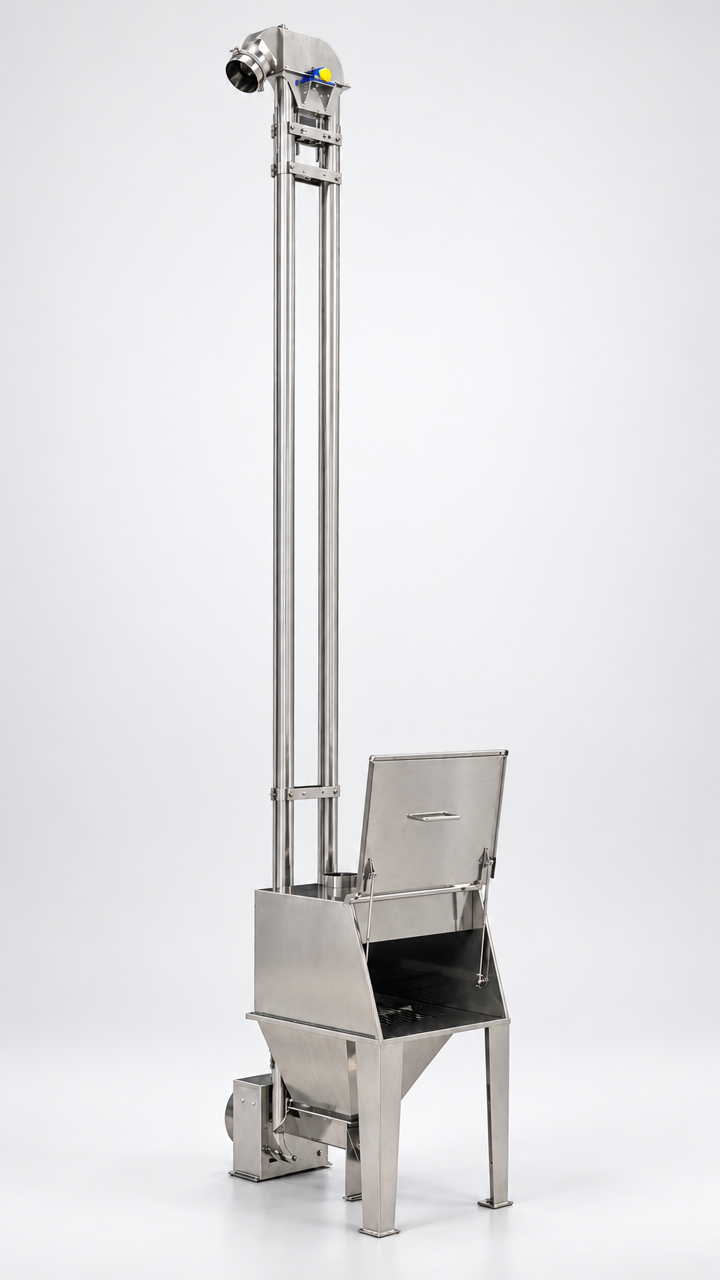
Powderflight’s rope-and-disc assembly generates an air stream that transfers compatible powders and granules through an enclosed tube. Minimal product retention helps recover more material after transfer, while horizontal, inclined and vertical arrangements connect the surrounding process equipment.
Compact transfer for compatible powders and granules.
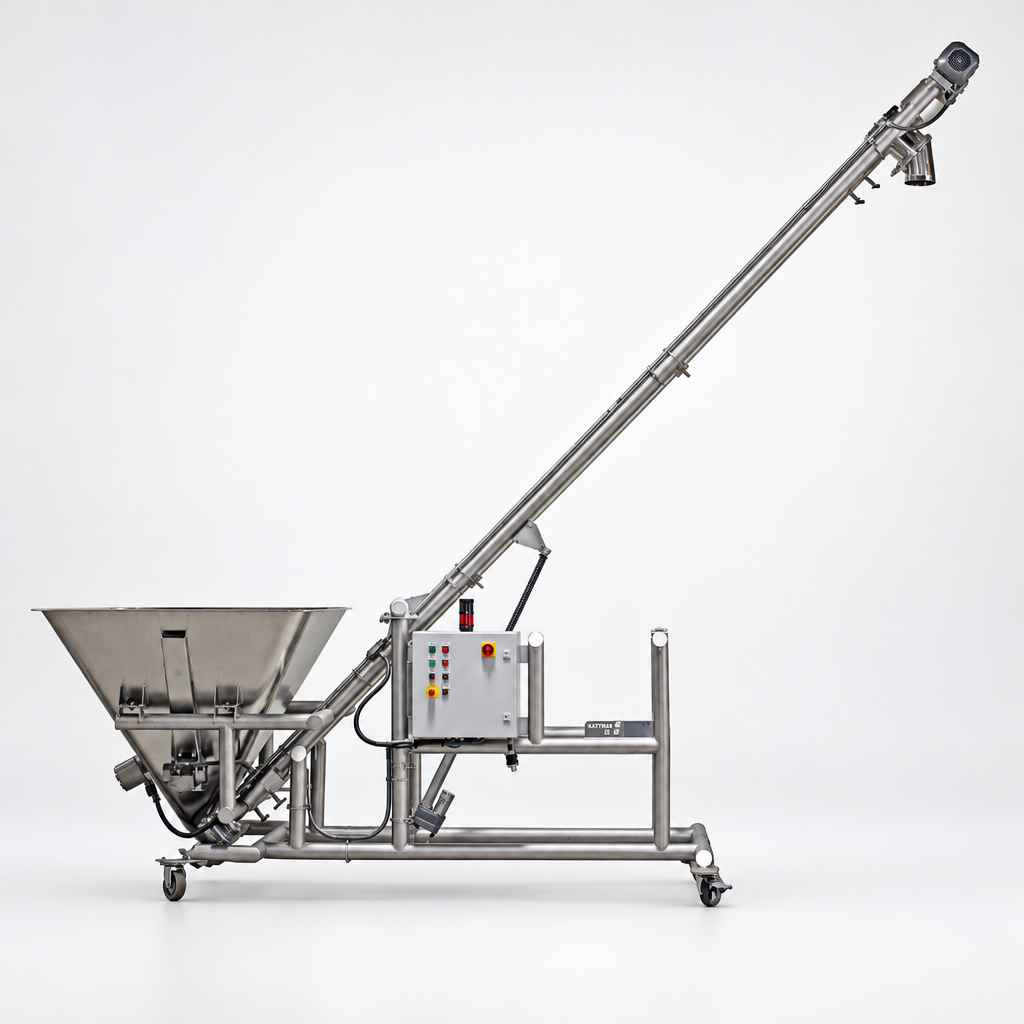
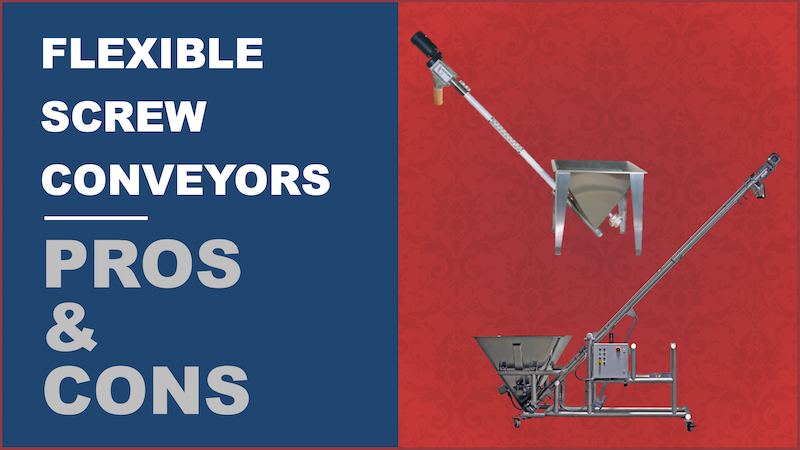
UniFlex’s rotating flexible screw moves material from a charged hopper through a stationary tube. Its compact arrangement connects receiving with batching and process equipment. Selection accounts for screw contact, material flow, abrasion and bulk density.
Consider for: Powders • Granules • Batch Transfer • Compact Layouts • Process Transfer
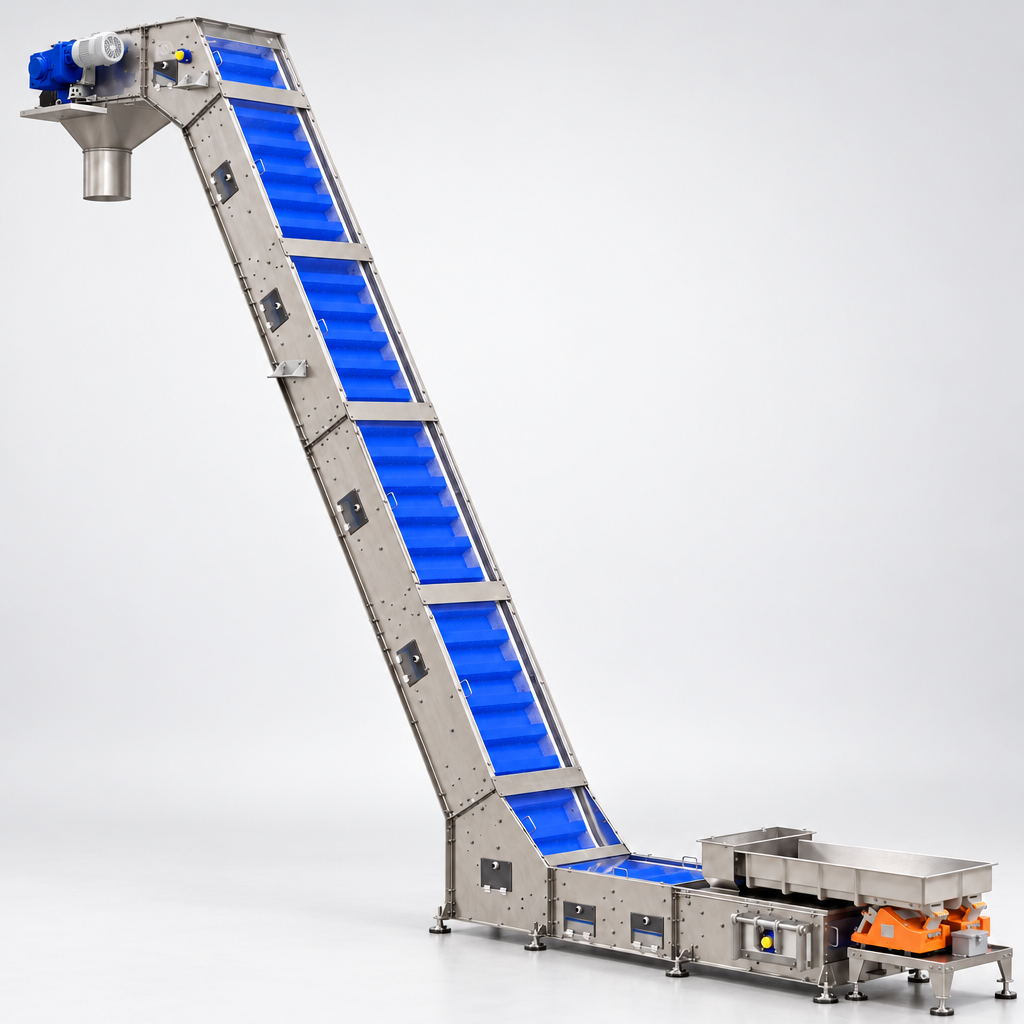
Accessible belt conveying for products that need cleaning access.
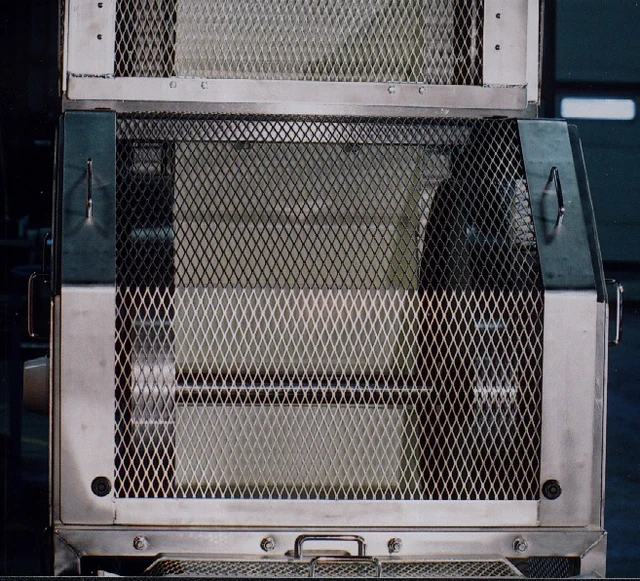
KleanTrak combines stainless steel construction with accessible belt and product-contact areas. It serves compatible products where belt transfer and cleaning access fit the application. Belt material, loading and cleaning arrangements are selected around the product.
Consider for: Specialty Products • Controlled Transfer • Cleaning Access • Granules • Process Integration
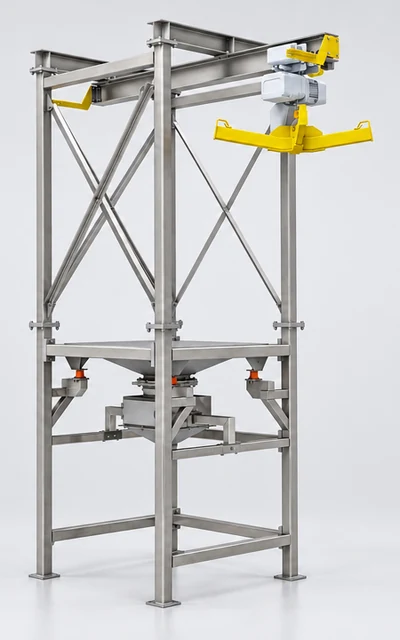
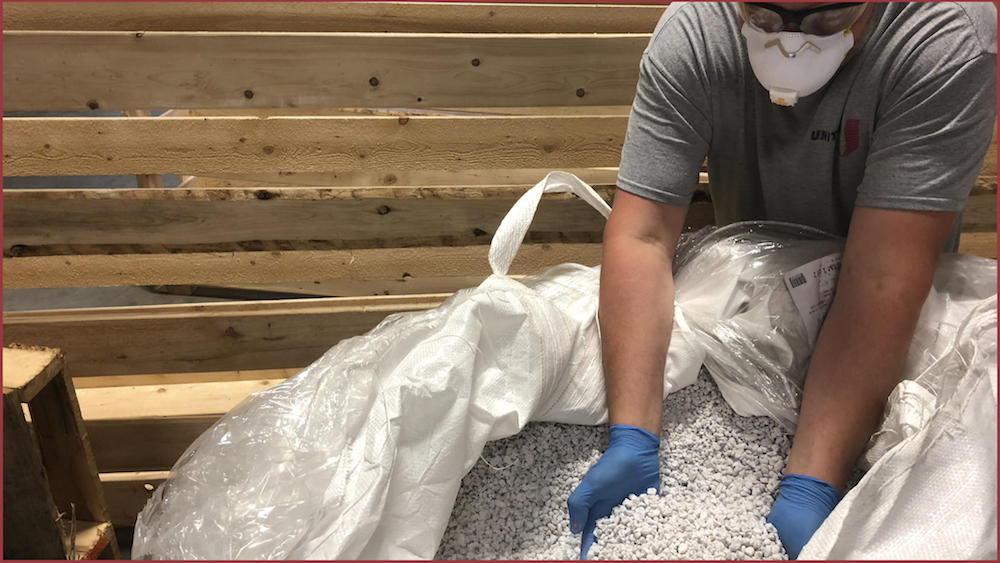
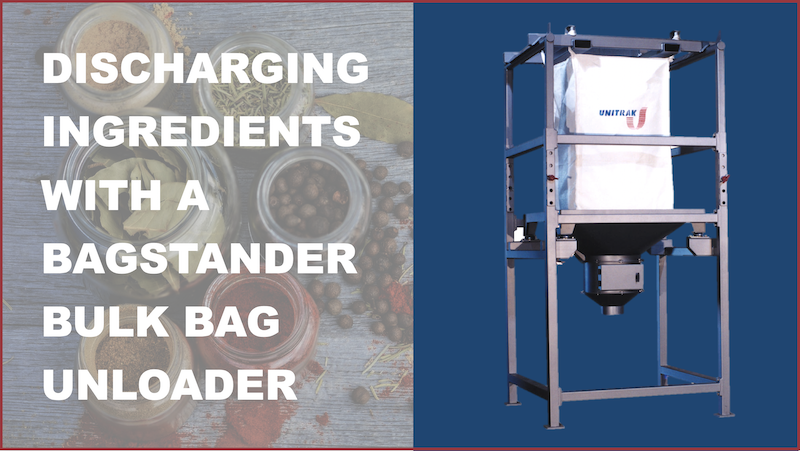
Bagstander unloaders and fillers connect bulk bags with hoppers, conveyors and weighing arrangements. Each system is built around the bag, material and process, with discharge and flow-assistance components selected for the application.
Consider for: Bulk Bag Unloading • Bulk Bag Filling • Specialty Powders • Industrial Ingredients • Weighing
Connect receiving, conveying and downstream equipment around the material and required process sequence. UniTrak supplies its core conveying and bulk bag handling equipment with selected ancillary components and agreed equipment interfaces.
The way material is introduced to each conveyor depends on the conveying technology. Powderflight can be flood-fed from a suitable hopper, UniFlex operates from a charged hopper, while TipTrak and KleanTrak require controlled feeding.
Separate metering equipment for Powderflight or UniFlex is an option when the process requires dosing or batching. Load cells measure the supported bag or receiving arrangement.
BULK BAG TO ENCLOSED POWDER TRANSFER
Typical Process Arrangement
Bagstander → Receiving Hopper → Powderflight → Process Equipment
For compatible powders and granular materials requiring bulk bag discharge and enclosed transfer.
Powderflight can be flood fed directly from the receiving hopper.
COMPACT POWDER TRANSFER
Typical Process Arrangement
Bagstander → Charged Hopper → UniFlex → Process Equipment
For compatible powders and granules requiring compact transfer into a manufacturing process.
The charged hopper maintains material at the UniFlex inlet for the flexible screw.
GENTLE PRODUCT ELEVATION
Typical Process Arrangement
Hopper or Process Discharge → Controlled Feeder → TipTrak → Storage or Packaging
For fragile granules, pellets, crystals and other products requiring controlled elevation.
TipTrak requires controlled material introduction to provide appropriate bucket loading.
CONTROLLED BELT TRANSFER
Typical Process Arrangement
Hopper or Process Discharge → Controlled Feeder → KleanTrak → Downstream Equipment
For suitable specialty products requiring controlled belt conveying and accessible product-contact areas.
KleanTrak requires controlled material introduction.
WEIGHED BULK BAG HANDLING
Typical Process Arrangement
Bagstander with Load Cells → Receiving Hopper → Conveyor
For applications requiring measurement of material discharged from or introduced into a bulk bag.
The downstream arrangement should be developed around the selected conveyor.
MULTI-STAGE MATERIAL HANDLING
Typical Process Arrangement
Bulk Receiving → Conveying → Manufacturing Process → Finished Product Transfer
For applications requiring material movement between multiple stages of production.
Each conveying stage should be selected independently around the material, required transfer path and surrounding process equipment.
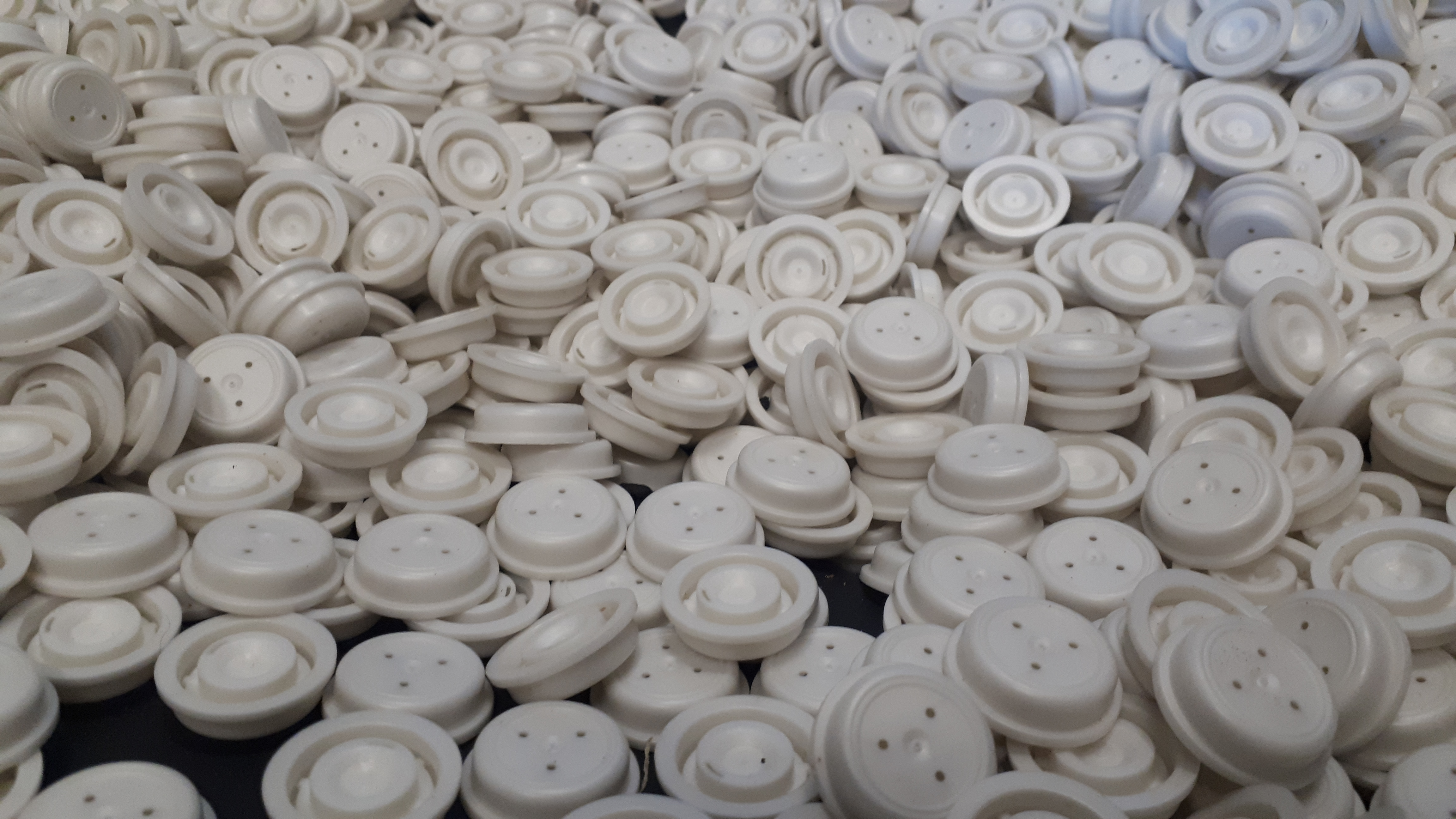
Fragile biodegradable valves used in coffee packaging were breaking during transfer, causing production stops to remove damaged pieces. UniTrak supplied a stainless-steel TipTrak with a custom vibratory feeder hopper and integrated controls. The published case study reports zero product breakage and reduced downtime, with a portable arrangement supporting aisle access and production flexibility.
A producer needed to elevate warm granola base, soy granola clusters, toasted coconut, bulk crisp topping, toasted oats and crisp rice from an oven. Product testing supported the selection of an S5 TipTrak. The installed equipment conveyed the products without material adhering to the buckets, confirming the test results and supporting faster cleaning.
Test the actual product to see how it feeds, conveys and discharges. UniTrak can assess breakage, fines, sticking, retention and blend behaviour under the test conditions, helping develop a practical arrangement for unusual or difficult materials.
Depending on the application, testing can examine:
Material flow
Conveying behavior
Material introduction and discharge
Product degradation
Fines generation
Segregation
Buildup or sticking
Material retention
Behavior through changes in direction
Conveying performance under test conditions
Contact our team with the material details and SDS before sending samples so we can confirm the test requirements.
UniTrak can evaluate a wide range of suitable powders, granules, pellets, crystals, flakes and other dry bulk solids.
The appropriate conveying method depends on the actual physical characteristics of the material rather than simply its product name or industry.
That's not a problem.
Many conveying applications cross industry boundaries or involve unusual manufactured materials. We can evaluate the application based on the material characteristics, required conveying path and surrounding process.
Yes. TipTrak’s low-speed, interlocking buckets protect fragile products during horizontal and vertical transfer. In a documented biodegradable packaging-valve application, a TipTrak system with controlled feeding achieved zero product breakage. Testing your actual product helps develop the feeding and discharge arrangement.
Yes. UniTrak develops conveying arrangements around the product’s sticking and discharge behaviour. In a documented warm-granola application, an S5 TipTrak conveyed the products without material adhering to its buckets. Testing helps establish the bucket materials, discharge arrangements and cleanout provisions for your product.
UniTrak can evaluate abrasive materials.
Particle hardness, shape, bulk density, conveying method and operating conditions influence equipment wear and suitability.
Expected maintenance requirements should be considered during equipment selection.
Yes. Powderflight provides enclosed aeromechanical transfer, while TipTrak and UniFlex offer other conveying approaches for compatible powders. Flow, bulk density, product retention, abrasion and containment requirements guide the selection, including the receiving and discharge connections.
UniTrak can evaluate difficult-flowing materials.
The solution may involve hopper design or flow assistance in addition to conveyor selection.
The complete receiving and conveying arrangement should be considered.
Yes. UniTrak selects the conveying method and transfer arrangement around the blend’s particle sizes, densities and handling behaviour. Material testing can assess segregation under the test conditions and help refine feeding, conveying and discharge.
Yes. Powderflight can be flood fed from a suitable hopper.
A separate metering device may be incorporated where the surrounding process requires controlled dosing, but controlled feeding is not inherently required by the conveyor.
UniFlex operates from a charged hopper that maintains material at the flexible screw inlet.
The screw draws material from the hopper and conveys it through the tube.
Yes. Material should be introduced to TipTrak at a controlled rate to provide appropriate loading of the continuous buckets.
The feeding arrangement should be considered as part of the complete TipTrak application.
Yes. Material should be introduced to KleanTrak at a controlled rate to provide appropriate loading of the conveyor belt.
Yes. Bagstander bulk bag handling equipment can be combined with hoppers, weighing equipment and UniTrak conveyors.
The arrangement should be developed around the material and the requirements of the selected downstream conveyor.
Yes. UniTrak conveying equipment can be configured to connect with compatible customer or OEM equipment.
Required throughput, inlet and discharge geometry, controls and operating sequence should be reviewed during application development.
Yes. Material testing is particularly useful for unusual or difficult products.
Testing can help evaluate material flow, conveying behavior, product degradation, buildup, segregation and retention before equipment selection.
INDUSTRIAL & SPECIALTY MATERIAL HANDLING RESOURCES
Handling Difficult Powders with Aeromechanical Conveyors
Explore how powder characteristics affect flow, hopper design and material introduction. The article discusses flow aids and testing when difficult powders require an application-specific handling arrangement.
Review conveying considerations for fragile and friable products, including breakage, surface degradation and dusting, along with the TipTrak features described in the article.
Why Material Testing Should Happen Before You Buy a Conveyor
See why testing the actual material before choosing a conveyor helps evaluate unfamiliar products, review flow behavior and establish appropriate next steps for the application.
DISCUSS YOUR INDUSTRIAL OR SPECIALTY MATERIAL APPLICATION
Tell us what makes your material difficult to handle.
Tell us what you need to move, where it needs to go and what is happening in the current process. Our team will review the material and transfer requirements with you.
Useful information includes:
Material name, physical form and SDS.
Required conveying rate.
Transfer distance, elevation and equipment connections.
Handling concerns such as dust, breakage, sticking or abrasion.
Product-contact, cleaning and installation requirements.
You do not need to choose the conveyor before contacting us.