ADDRESS STORAGE EFFECTS
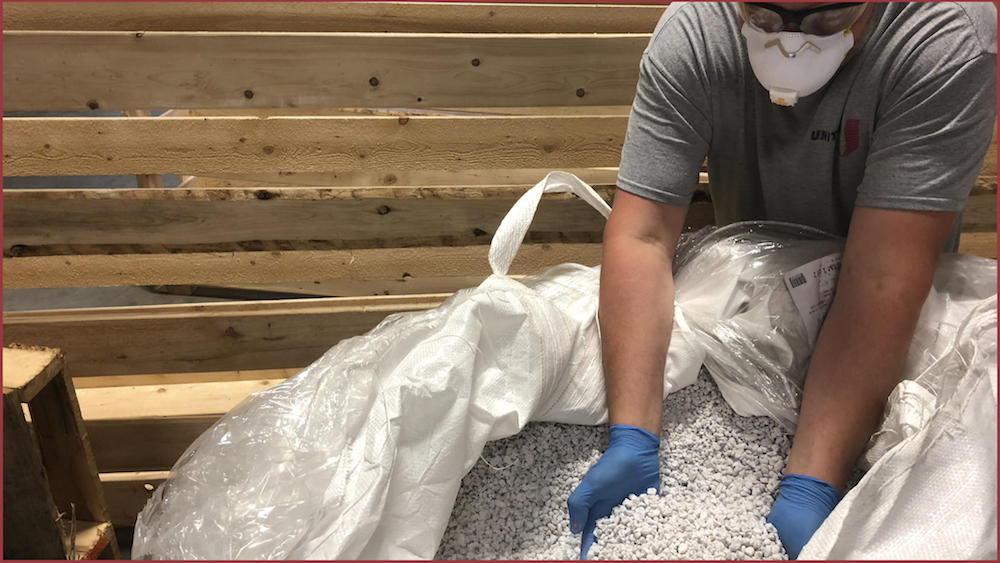
Review material condition after storage or transport, when consolidation and caking may already have developed.
Keep changes in material condition from becoming production interruptions.
Storage, moisture, temperature and mechanical handling can change how a bulk material flows and releases. UniTrak selects the conveying method and receiving and discharge arrangements around those conditions. The aim is to limit unnecessary compaction and working while maintaining the material flow your process requires.
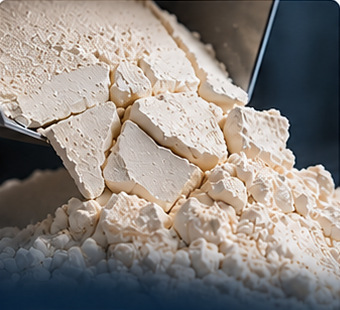
Review material condition after storage or transport, when consolidation and caking may already have developed.
Select a conveying method that avoids adding compression or smearing where the product is sensitive to mechanical action.
Coordinate feeding, contact surfaces and discharge around the material’s actual temperature, moisture and condition.
These behaviors are not limited to one type of bulk solid. They can occur in powders, food products, chemicals, minerals and other materials depending on moisture, pressure, temperature, storage time and mechanical handling.
Common concerns: These materials may combine caking, smearing, product degradation and poor flow in the same application.
Common concerns: Changes in moisture, pressure or storage conditions can significantly affect flow and conveying behavior.
Common concerns: Caking and compaction may create both flow and mechanical-loading concerns.
Common concerns: Material condition can change significantly between storage, feeding and conveying.
Common concerns: The important question is how the material behaves under the actual process conditions rather than how it appears in a static sample.
The cause of the material change guides equipment selection. Match supported movement, enclosed conveying and discharge assistance to the behaviour creating the restriction.
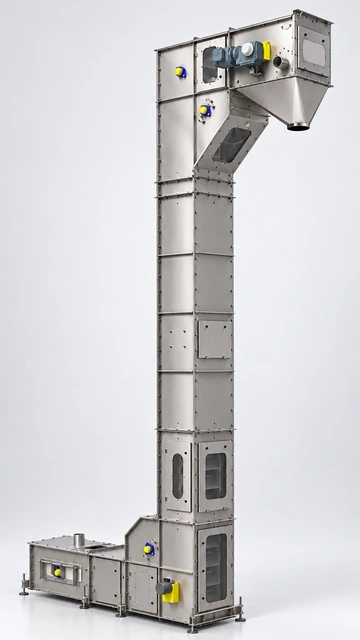
TipTrak carries material in buckets with limited mechanical working. Bucket materials, controlled feeding and application-specific discharge features address product condition and release through horizontal and vertical conveying routes.
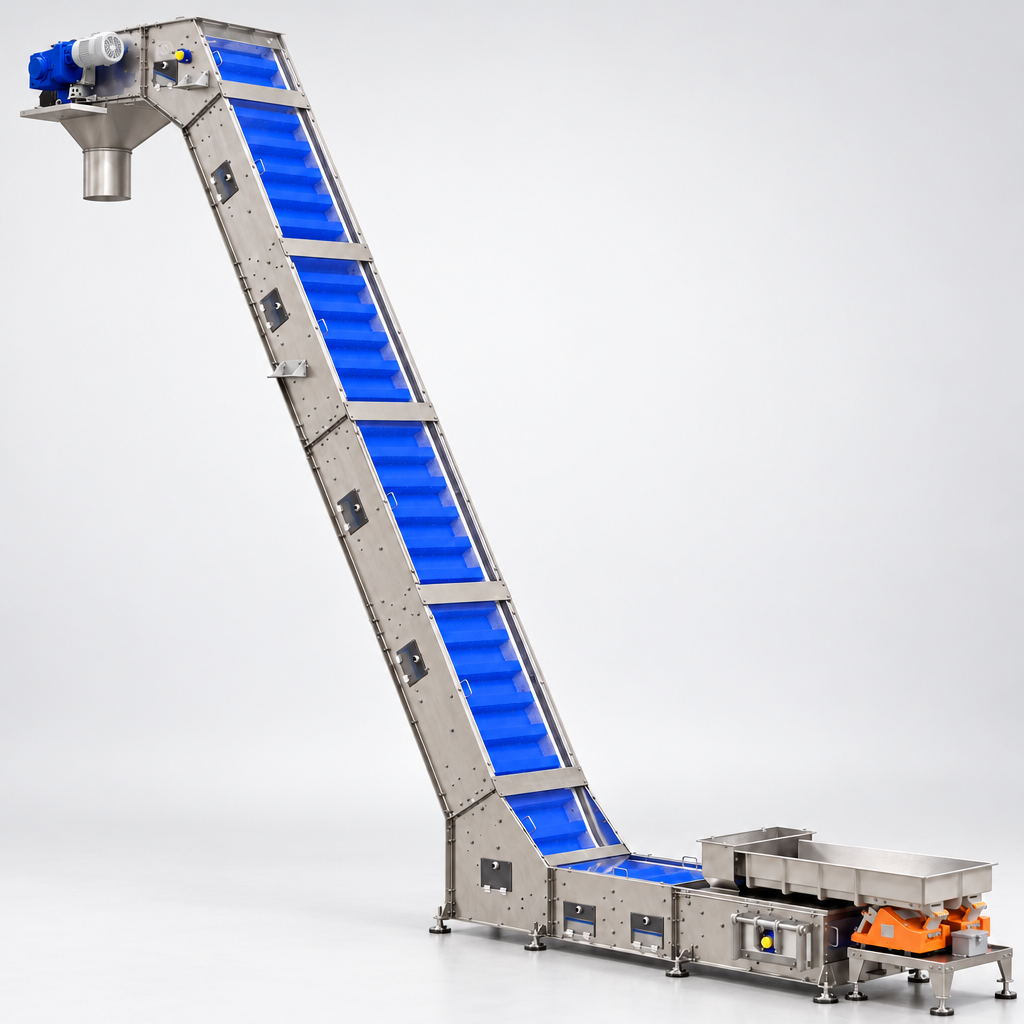
KleanTrak supports compatible products on an accessible belt. Belt selection and discharge arrangements address release, while direct access supports cleaning where the product leaves residue.
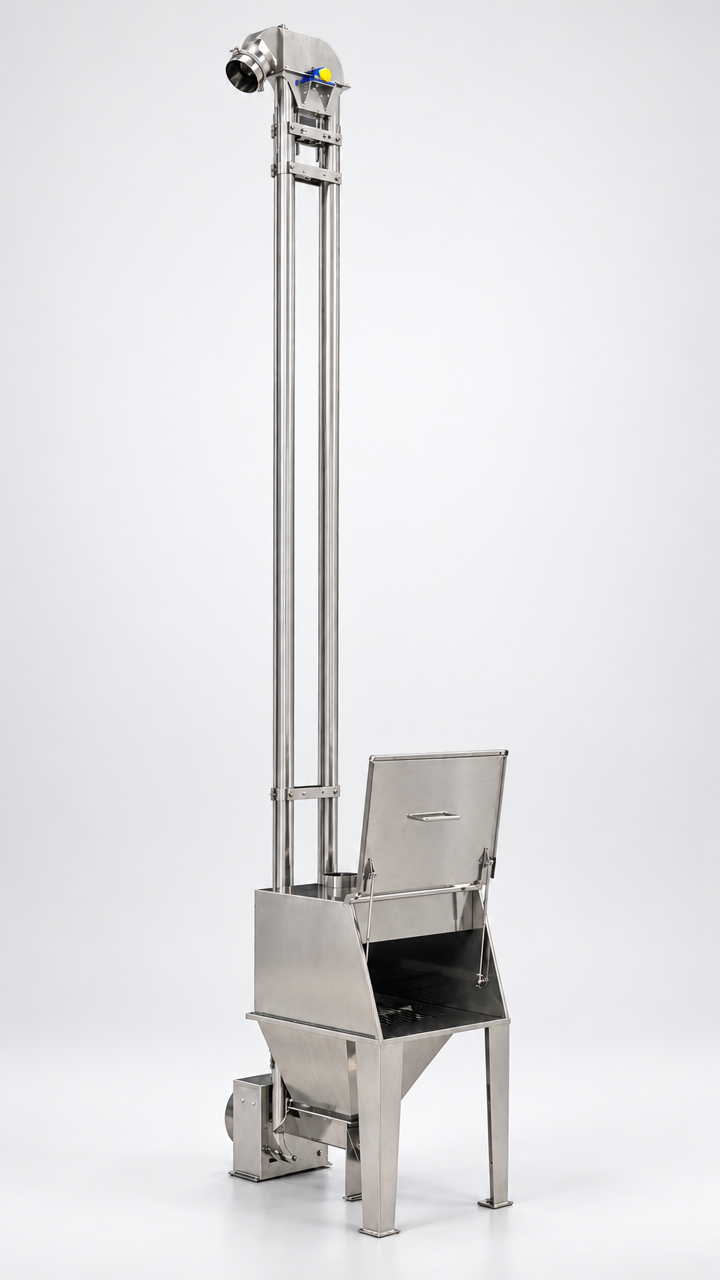
Powderflight uses an air stream generated by its rope-and-disc assembly to transport compatible powders through an enclosed tube. Assess the material’s response to conveying, particularly where moisture or condition encourages deposits.
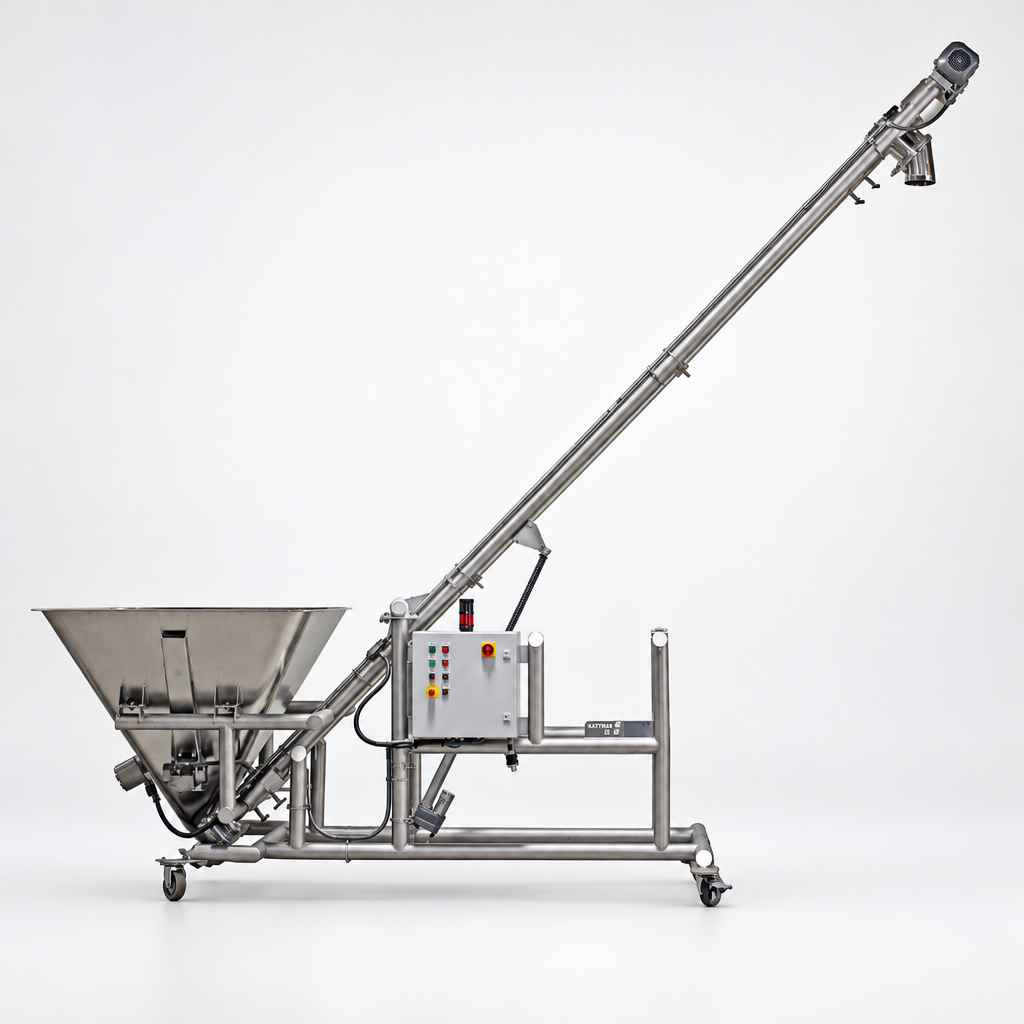
UniFlex provides compact enclosed screw conveying for compatible powders and granules. Match the screw and tube arrangement to the material’s response to mechanical contact, compaction and discharge.
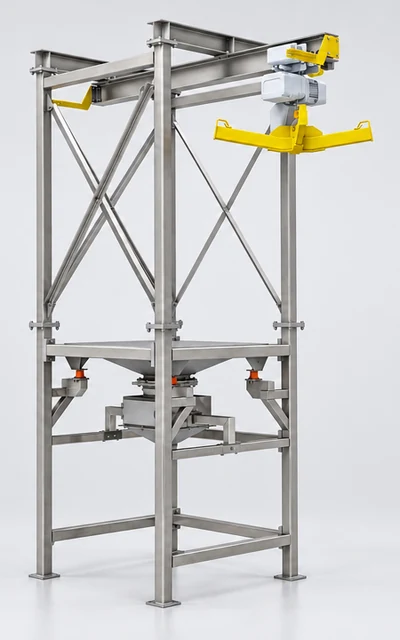
Bagstander addresses receiving problems before conveying begins. Application-specific bag manipulation and hopper flow assistance help loosen consolidated material and promote discharge from the bulk bag.
For products where adhesion is the main handling problem, explore our sticky and adhesive material conveying guidance.
The conveyor is only one part of the material path. These problems can begin during storage, feeding, conveying, transfer or discharge.
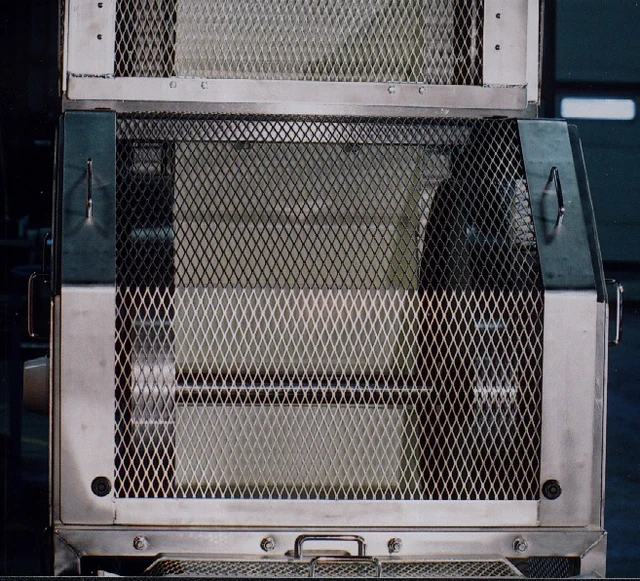
UniTrak’s case covers granola base, soy granola clusters, toasted coconut, bulk crisp topping, toasted oats and crisp rice. An S5 TipTrak elevated warm product from an oven. Testing and operation showed that product did not adhere to the buckets in this installation, supporting reliable handling and faster cleaning.
Read the Granola Case Study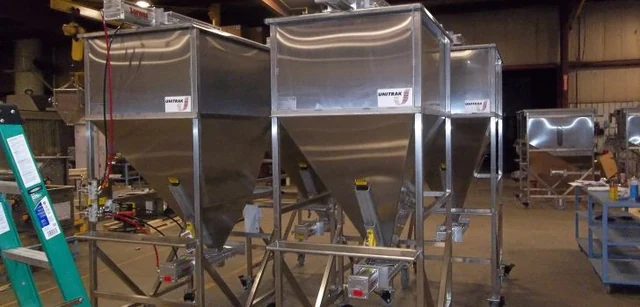
Packing and caking can develop before conveying begins. UniTrak’s hopper guidance explains how material cohesion, wall friction, outlet design and appropriate flow assistance influence reliable discharge.
Read Hopper-Flow GuidanceAssess conveying, discharge, buildup and product condition using suitable available equipment. Where practical, provide material representative of the temperature, moisture and storage condition at the actual conveying stage.
Packing generally refers to material becoming denser or more consolidated under pressure, vibration or handling. Caking occurs when particles bond or agglomerate into larger masses, often because of moisture, temperature, pressure or storage conditions. A material can experience both behaviors.
Powders can change during storage or handling. Pressure, vibration, moisture, temperature and time may cause consolidation, bridging or caking that reduces the material's ability to flow freely.
Softness, moisture, fat content, temperature, pressure and repeated mechanical interaction can all contribute. Smearing is highly material-specific, so understanding the actual process conditions is important.
Not necessarily. Caking may begin during storage or before the material reaches the conveyor. The conveying system can be selected to avoid unnecessary additional compaction or mechanical working, but the complete material-handling process should be considered.
TipTrak is a strong option where carrying the material with limited mechanical working suits the product. Bucket material, feeding and discharge arrangements are selected around how the material releases in its actual process condition.
KleanTrak supports the product on a belt rather than continuously working it through a confined mechanism. That can make it worth evaluating where gentle supported conveying and sanitation are important.
Powderflight provides enclosed aeromechanical conveying for compatible powders. Review the material’s condition and how it feeds, travels through and discharges from the conveyor. A representative trial helps assess whether buildup or changes in flow affect the application.
UniFlex can convey many powders and granules, but because the screw mechanically works the material, applications involving compaction, smearing or significant caking should be reviewed carefully.
Bagstander configurations may include bag manipulators that compress and work the bag to help loosen compacted material and promote discharge. The downstream hopper may also use appropriate flow aids where required.
Yes. Depending on the application, UniTrak hoppers can incorporate flow aids such as vibrators or fluidization pads to help promote material movement.
It can. Many powders and granular materials become more prone to caking as moisture content or humidity changes. The effect depends on the specific material and process conditions.
It can. Some food, chemical or specialty materials become softer or tackier as temperature changes, which can increase smearing or buildup during handling.
Testing can help show how a material behaves in available UniTrak test equipment and may reveal compaction, smearing, flow or discharge issues that are difficult to predict from specifications alone.
Where practical, yes. If temperature, moisture or storage condition affects the material, a representative sample and realistic condition can provide more useful information than testing material that behaves differently from the production product.
Useful information includes the material, bulk density, moisture or temperature considerations, required conveying rate, conveying distance, vertical elevation, storage method, current handling method, feeding behavior and the specific packing, caking or smearing problem you are experiencing.
Explore UniTrak technical information, case studies and testing resources related to materials that change during storage, feeding or conveying.
Technical article — Learn how evaluating actual material behavior, flow, discharge and cleaning requirements can reduce application uncertainty.
Read resourceCase study — Read the documented warm, sticky-product application and the application-specific TipTrak result following product testing.
Read resource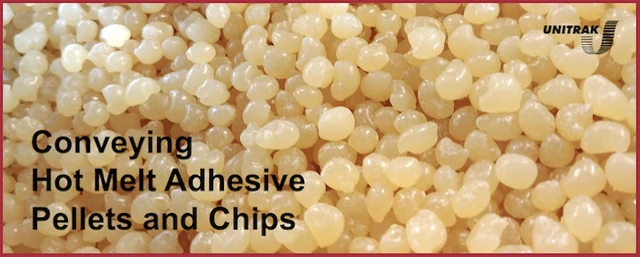
Technical article — Review temperature-dependent sticking and product-handling considerations for adhesive pellets and chips.
Read resourceTechnical article — Explore hopper geometry, cohesion and flow assistance for materials that clump, cake or resist discharge.
Read resource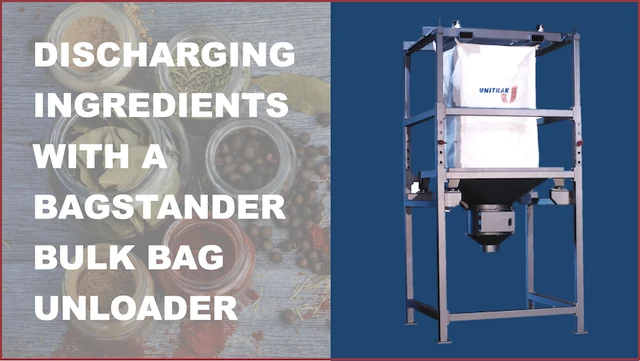
Review bulk bag discharge arrangements and connections to receiving hoppers, feeders and downstream conveyors.
Read resourceTell us when the material changes, where the restriction develops and the rate your process requires. UniTrak will review the material condition, conveying route and equipment options around that handling problem.