PRESERVE PRODUCT VALUE
Broken pieces and excess fines can reduce saleable yield. Select the conveying method around the product’s strength and required final condition.
Reduce breakage and fines to preserve product quality and saleable yield.
Fragile products need a conveying method that protects their condition throughout the process. UniTrak combines gentle conveying technologies, controlled feeding and application-specific discharge arrangements to reduce damaging impacts and unnecessary transfers. Material testing helps establish the right approach for your product.
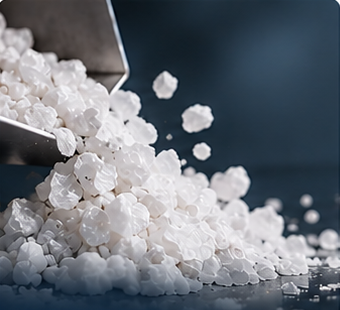
Broken pieces and excess fines can reduce saleable yield. Select the conveying method around the product’s strength and required final condition.
Control loading, drop heights and discharge. Connecting horizontal and vertical conveying within one machine reduces opportunities for impact between conveyors.
Temperature, moisture and coatings can change how a product responds to handling. Assess it in the condition in which it enters the conveyor.
Understanding what must be protected is the first step toward selecting how to move it.
These are representative material families. Suitability requires application review.
Breakfast cereals, granola clusters and similar food products can fracture or create fines when subjected to excessive impact.
The challenge is maintaining the required throughput while reducing unnecessary degradation through feeding, conveying and discharge.
Common concerns: Breakage • Fines • Product Appearance • Cleaning • Controlled Feeding
Nuts, seeds and other agricultural materials may be damaged by impact, crushing or aggressive mechanical handling.
Material condition, particle size, shell characteristics and acceptable damage should be considered when selecting equipment.
Common concerns: Cracking • Chipping • Fines • Product Value • Gentle Transfer
Pellets, kibble and other formed products can degrade when subjected to repeated impact or aggressive handling.
Reducing unnecessary degradation can improve final product consistency while reducing fines entering storage or packaging.
Common concerns: Pellet Integrity • Fines • Dust • Product Appearance • Transfer Points
Many manufacturing processes deliberately create granules, pellets or agglomerates to achieve a desired particle size, flow characteristic or finished-product form.
Aggressive conveying can partially reverse that work by breaking the finished material.
Common concerns: Attrition • Particle Integrity • Fines • Product Yield • Dust
Some tablets and other formed products require gentle movement because excessive impact can chip edges, damage surfaces or create broken product.
Suitability depends on the specific product, process and required level of handling control.
Common concerns: Chipping • Surface Damage • Breakage • Product Integrity
Fragility is not limited to food products.
Specialty chemicals, minerals, manufactured granules and other high-value bulk solids may require controlled handling because their physical form is important to downstream processing or final product quality.
The material itself should determine whether gentle conveying is required.
Common concerns: Product Value • Particle Integrity • Yield • Fines • Application Risk
The right solution protects the material while still meeting the process requirements.
Fragile materials do not all respond the same way to conveying.
Particle size, shape, hardness, required capacity, conveying distance, elevation, cleaning requirements and acceptable degradation can all influence which technology is appropriate.
Because UniTrak manufactures multiple conveying technologies, we can evaluate the material first and select the conveying approach around the application rather than forcing every fragile product into one equipment type.
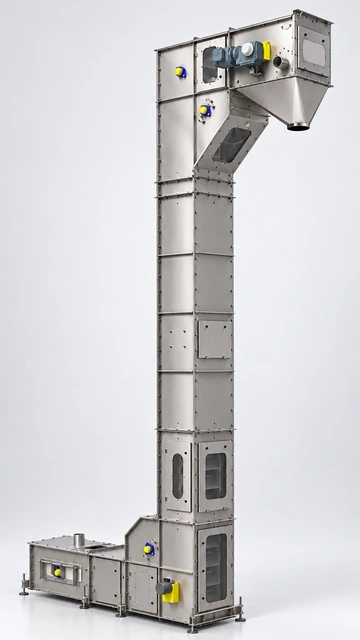
TipTrak carries fragile material in continuous, interlocking buckets at low speed. Horizontal and vertical conveying within one machine reduces intermediate transfers, while controlled infeed and application-specific discharge arrangements protect the product throughout the route.
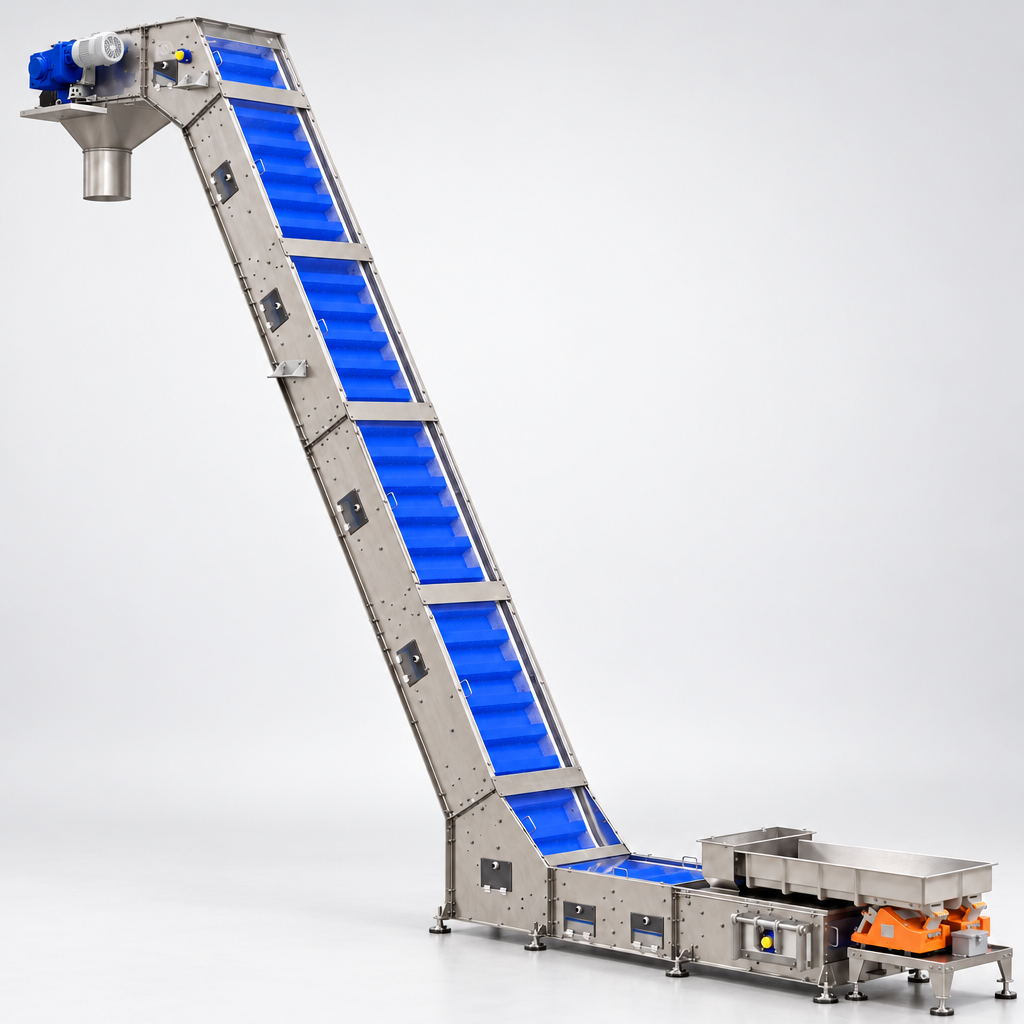
KleanTrak supports the product on an accessible belt. It combines gentle movement with cleaning access for compatible food and bulk-material applications. Controlled feeding distributes material onto the belt.
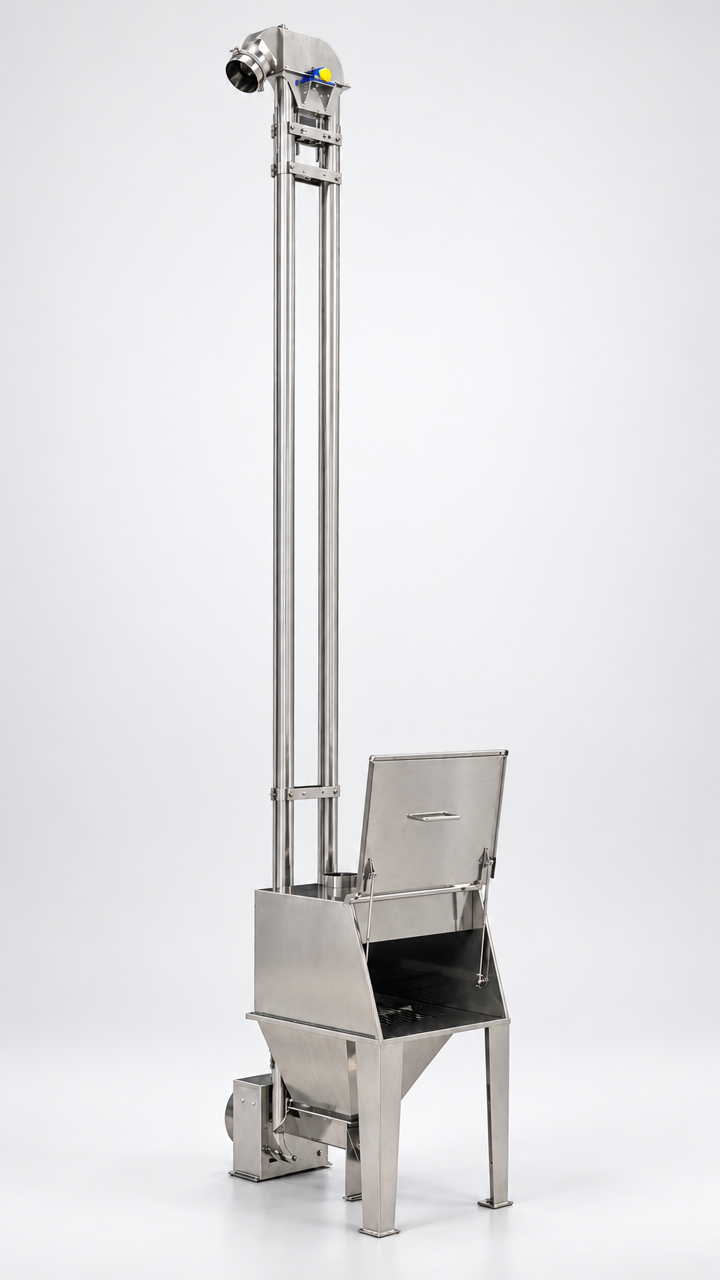
Powderflight uses a rope-and-disc assembly to generate an air stream that transports material through an enclosed tube. For fragile products, testing establishes how the conveying action affects particle integrity.
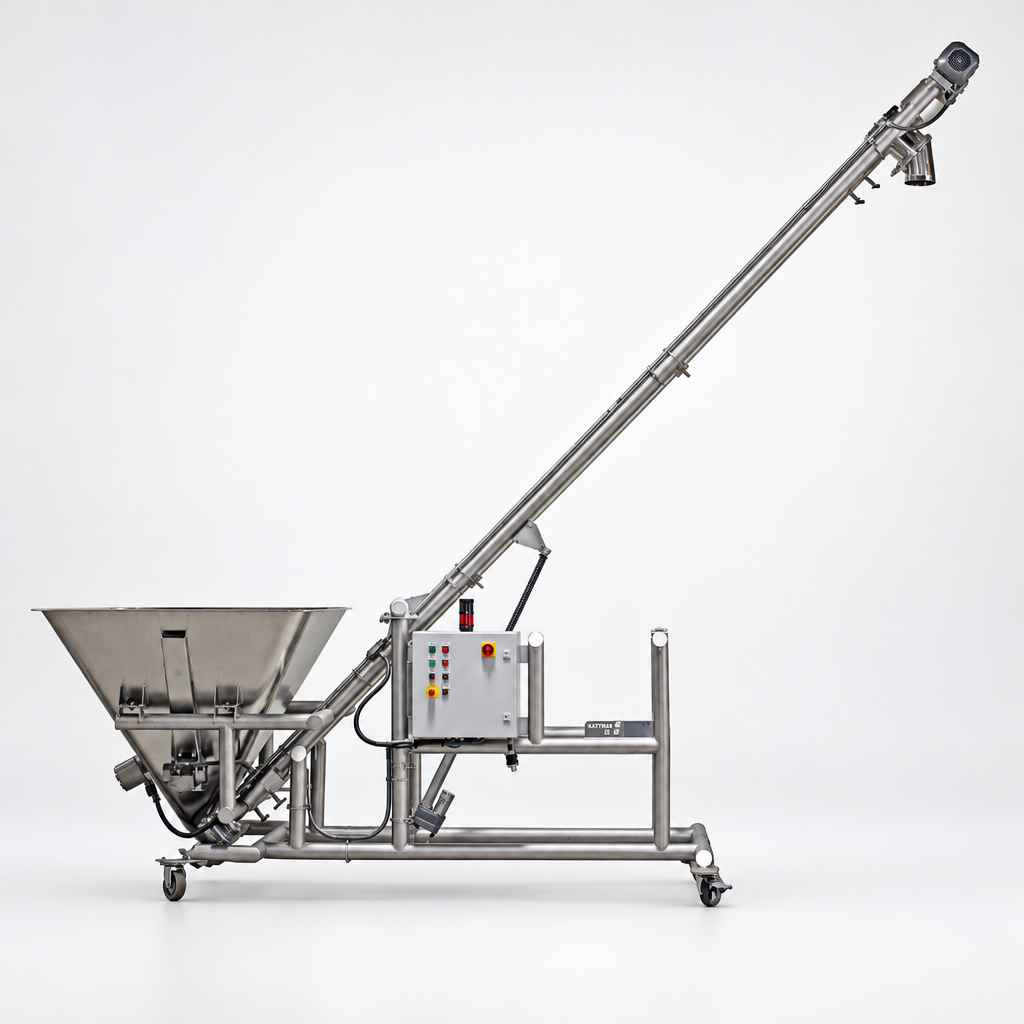
UniFlex provides compact enclosed transfer using a rotating flexible screw. Select it where the material tolerates screw contact and the resulting product condition meets the process requirement.
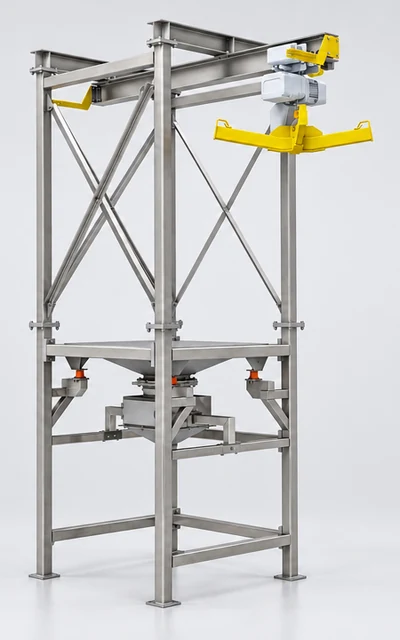
Bagstander connects bulk bag discharge with the selected conveyor. Matching bag discharge, feeding and transfer heights helps protect fragile material as it enters the process.
For products that combine fragility with adhesion, explore our sticky and adhesive material conveying guidance.
Protect the product across the entire transfer path.
Breakage does not only happen inside the conveyor.
Fragile and friable products can be damaged while entering equipment, moving through the process, transferring between machines or discharging into the next stage.
That means a conveying system should be evaluated as part of the complete material path — not as an isolated machine.
Excessive drop height, uncontrolled loading or poor material introduction can create impact before the product has even entered the conveyor.
For fragile materials, the way product reaches the conveyor can be just as important as the conveyor itself.
Conveying velocity, mechanical interaction, changes in direction and repeated movement can all influence breakage and fines generation.
The right conveying method should move the required capacity while minimizing unnecessary handling forces.
Moving material from one piece of equipment to another can introduce additional drops, changes in velocity and collision points.
Reducing unnecessary transfers and designing smoother transitions can help protect fragile products throughout the process.
A conveyor can handle a fragile material carefully and still deliver poor results if the product falls aggressively into downstream equipment, storage or packaging.
Discharge height, receiving equipment and the final material trajectory should therefore be considered as part of the application.
UniTrak evaluates how the product enters, moves through and leaves the conveying system.
For fragile materials, reducing unnecessary impact at each stage can be just as important as selecting the conveyor itself.

A pet-food manufacturer needed to reduce breakage and spillage while transferring warm, moist product from an extruder. UniTrak supplied an S5 TipTrak with interlocking buckets and a rubber beltchain. The installation reduced product loss and cleanup while gentler handling improved product yield.
READ PET FOOD CASE STUDY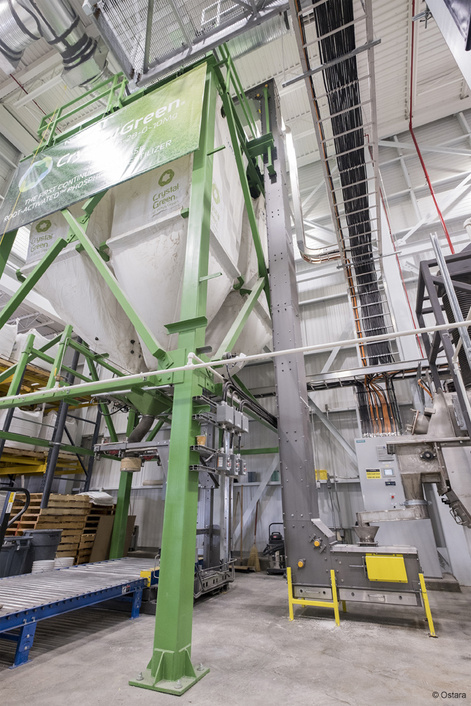
Ostara needed to preserve the shape and value of its struvite prills while controlling spillage and fitting the available space. TipTrak provided gentle conveying in a compact arrangement. UniTrak’s published case describes its adoption as standard equipment for Ostara installations in North America and Europe.
READ OSTARA CASE STUDYTest your actual material to assess conveying behaviour, discharge, breakage and fines. Use the observed product condition to compare equipment options against your process requirements.
A fragile or friable material is one that can crack, chip, crumble, fracture or generate unwanted fines when subjected to mechanical handling. The degree of acceptable degradation depends on the product and process.
Different conveying technologies expose material to different levels and types of impact, velocity, agitation and mechanical contact. A conveyor that moves the required capacity may still be unsuitable if it causes unacceptable product degradation.
TipTrak is a strong choice when protecting fragile pieces and combining horizontal and vertical conveying are priorities. KleanTrak provides supported belt conveying with direct cleaning access. Final selection depends on the product’s condition, required throughput, route and acceptable level of breakage.
TipTrak carries material in continuous, interlocking buckets at relatively low conveying speed. This can reduce unnecessary impact and agitation compared with more aggressive handling methods.
Yes. Material should be introduced to TipTrak at a controlled rate so the buckets are loaded appropriately.
Yes. TipTrak configurations can incorporate horizontal and vertical sections within the conveying path, depending on the application and machine configuration.
KleanTrak can be considered for suitable fragile products where belt conveying, accessibility and cleaning are important. Material should be introduced at a controlled rate.
Potentially. Suitability depends on the specific material and acceptable degradation. If breakage is a major concern, testing can help determine whether aeromechanical conveying is appropriate.
No. Powderflight can be flood fed from a suitable hopper. A metering device may be used when the process requires controlled dosing, but it is not inherently required by the conveyor.
The material interacts with the rotating screw during flexible screw conveying, so suitability depends on how the particular product responds to that conveying action. Testing may be appropriate when degradation is a concern.
Yes. UniTrak has conveying technologies that can be evaluated for suitable fragile food products such as cereals, granola, snack products and other materials where product integrity matters. Equipment configuration depends on the application.
Yes. TipTrak provides gentle handling for pet food during processing and finished-product transfer. In the documented pet-food application, an S5 TipTrak conveyed warm, moist product from an extruder while reducing breakage and spillage. Temperature, moisture, coatings and the required product condition guide the conveying arrangement.
No. Feeding, transfer points and discharge drops can also cause degradation. UniTrak evaluates the material path around the conveyor rather than treating the machine as an isolated component.
UniTrak can evaluate suitable customer materials using available test equipment to help assess material behavior and equipment suitability before the final conveying solution is selected.
Provide the material name, particle size and form, bulk density, required rate, conveying distance and elevation, current breakage concerns, acceptable level of degradation, receiving method, upstream and downstream equipment, cleaning requirements and any available SDS or material information.
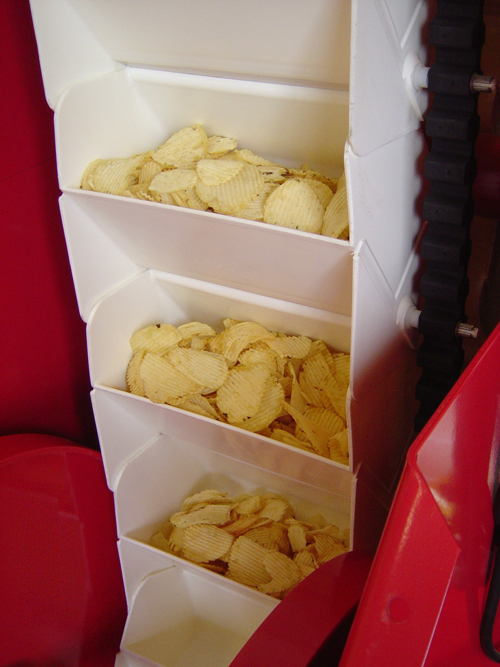
Review breakage, degradation and dusting risks, with TipTrak features for product protection and controlled conveying.
Read resource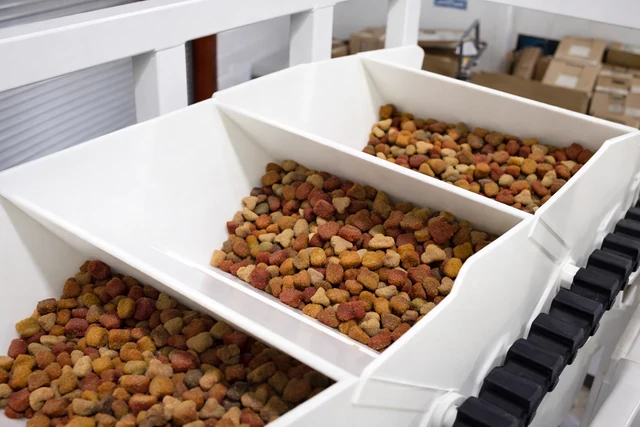
Understand how actual material testing can reveal flow, dust, discharge and degradation behavior before conveyor selection.
Read resource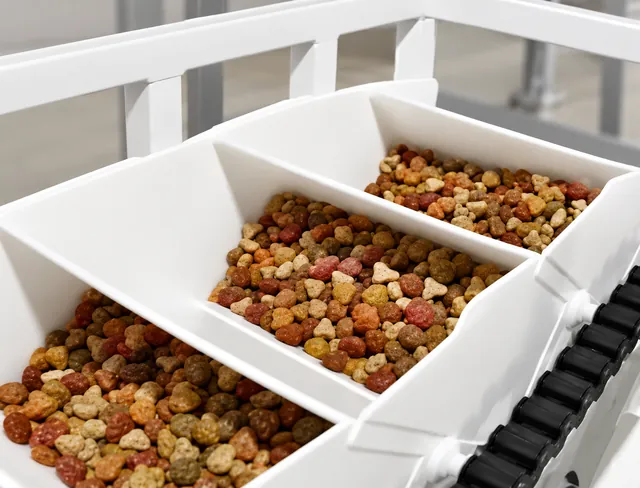
Explore pet-food breakage, product loss and cross-contamination considerations, including application-specific conveyor selection.
Read resource TipTrak BrochurePDF · 2 pages · 2.31 MBDownload brochure
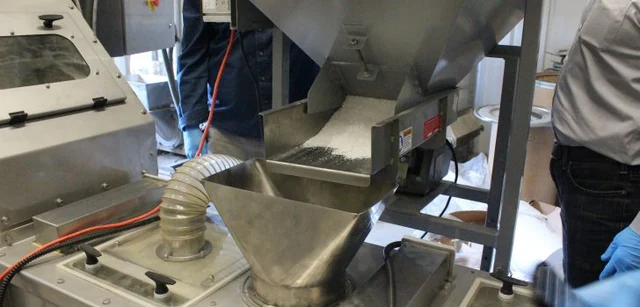
Compare controlled feeding approaches and learn why feeder selection matters to gentle product handling.
Read resourceShare your material, required conveying rate, route and current handling problem. UniTrak will review the application and recommend equipment and configuration options around your process.