Protect product integrity
Look for breakage, degradation and fines that could affect product quality or yield.
See how your material performs before choosing equipment.
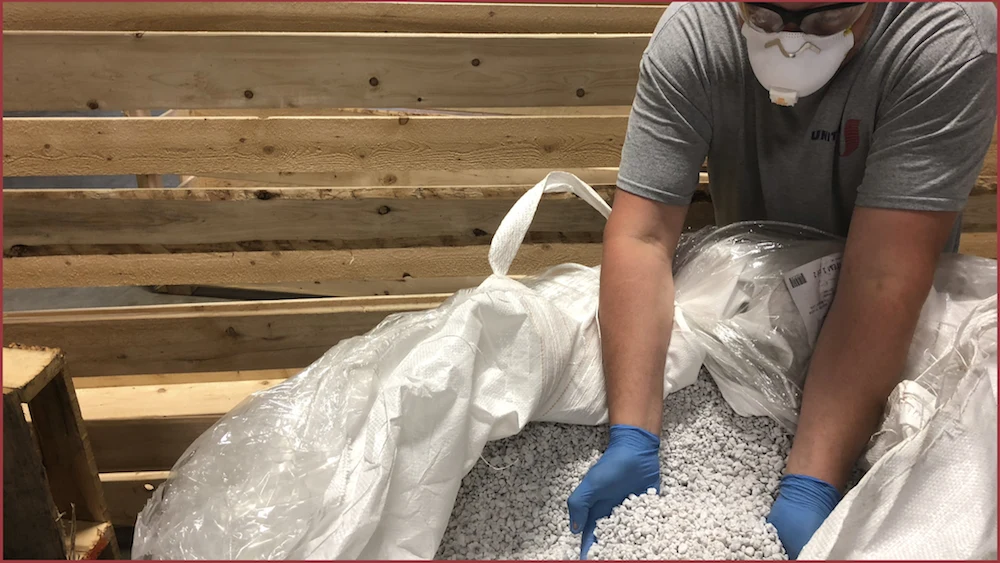
Evaluate material flow, product condition and residual material in conveying equipment. UniTrak uses the findings alongside your throughput, layout and process requirements to guide equipment selection and configuration.
A data sheet describes the material. A conveying test shows how it responds to the equipment and conditions being evaluated. We focus the test on the questions you need to resolve.
Look for breakage, degradation and fines that could affect product quality or yield.
Observe how the material enters, travels through and discharges from the equipment.
Check where product remains after transfer and what that could mean for material loss or changeovers.
Identify where material adheres or accumulates, helping inform equipment and operating choices.
Look for dust during feeding, conveying and discharge to inform containment requirements.
Assess material transfer under the agreed test conditions to guide equipment selection and configuration.
Start with what happens today and what needs to improve. You may be trying to reduce product damage, recover material left in a conveyor, improve discharge or select equipment for a new process.
Tell us about your material and intended operation. We will agree the test objectives and how the findings will inform the equipment decision.
| Information | What to share |
|---|---|
| Material | Product name, composition where relevant and Safety Data Sheet |
| Handling concerns | Breakage, dust, sticking, abrasion, poor flow or other known difficulties |
| Required performance | Target throughput and whether the process is batch or continuous |
| Conveying arrangement | Distance, elevation and available plant layout |
| Equipment connections | How material will enter the conveyor and where it will discharge |
| Operating requirements | Cleaning, contamination control, temperature and environmental conditions |
| Desired outcome | What needs to improve and how you will judge success |
You do not need a finished equipment specification to start. Share what you know, and we can identify the information needed for the next step.
We review your application and agree which handling questions the test needs to answer.
We confirm suitable test equipment, sample requirements and operating conditions before you send material.
We observe the material’s behavior against the agreed objectives, including the handling characteristics relevant to your process.
Review the observed performance and use the findings to guide equipment selection, configuration and the next engineering steps.
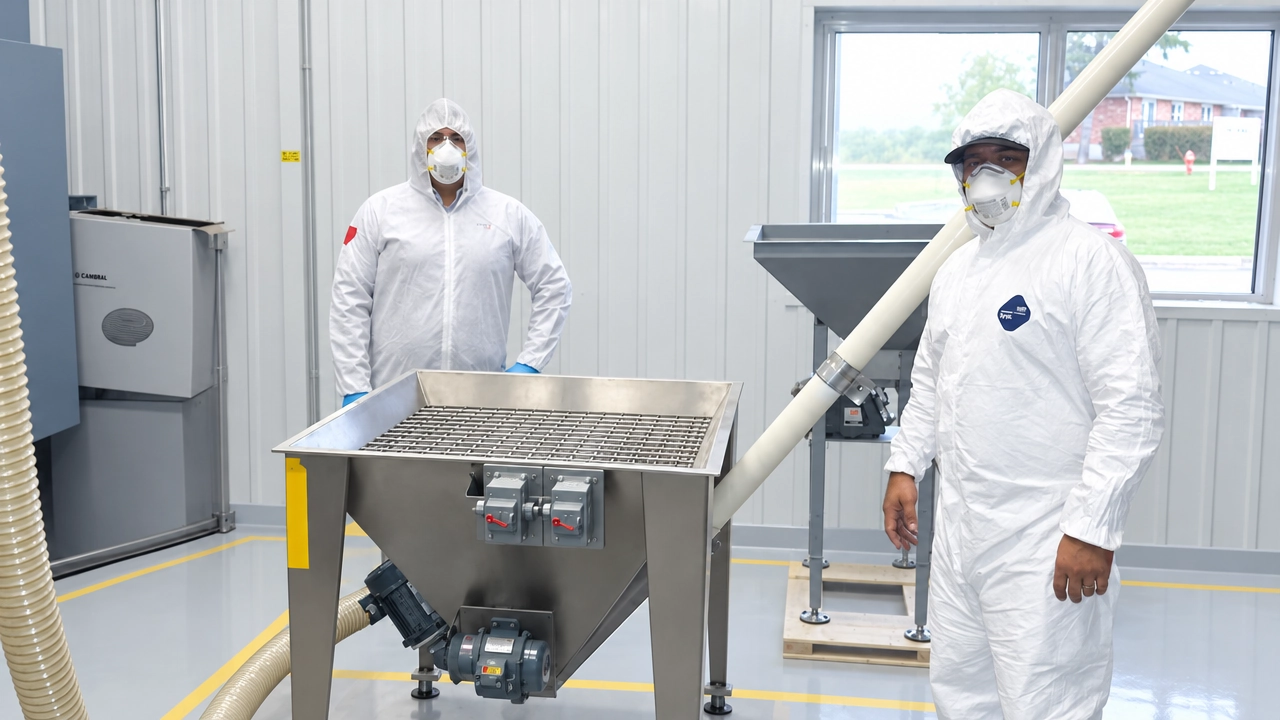
Testing helps establish how your material responds to the conveying approach. The findings are considered alongside the required throughput, plant layout, cleaning needs and equipment connections.
UniTrak designs and manufactures multiple conveying technologies. We start with the material and application, then select the conveying method and configuration around the process.
Review the observed flow, discharge, product condition and other characteristics relevant to the test.
Understand how those observations influence the conveying method, configuration and application requirements.
Agree the next engineering steps and any additional information needed to develop the equipment proposal.
The findings relate to the material and conditions tested. Application engineering connects those observations to the proposed production system.
Tell us about the material and application. We will review the SDS, handling requirements and available test equipment to determine what can be evaluated.
The quantity depends on the equipment and test objectives. Contact UniTrak first so we can agree the sample requirements and shipping arrangements.
We will confirm the location based on the material, equipment and evaluation needed.
Test equipment and configurations vary. During the application review, we will explain which conveying approaches can be evaluated for your material.
The observations help guide equipment selection and configuration. We also consider production throughput, conveying distance, elevation, cleaning needs and upstream and downstream equipment.
We will discuss the material behavior observed against the agreed objectives, its implications for the conveying solution and any questions requiring further investigation. Agree any report, photographs or video requirements when planning the test.
Yes. Start with your material and the handling problem. Testing can help inform which conveying approach deserves further consideration.
Tell us what you are conveying and what needs to improve. We will review the application and discuss a material test focused on the questions that matter to your process.
Contact us before shipping samples.